CATL Shatters EV Charging Records with Six-Minute Battery
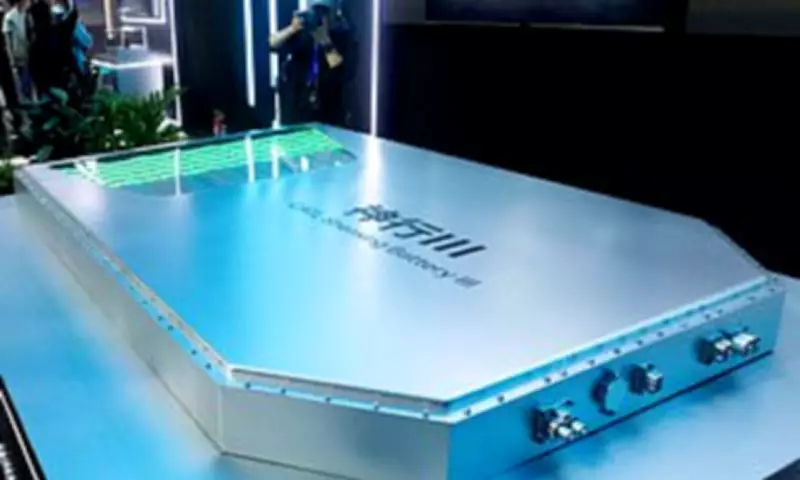
In a landmark announcement, China's Contemporary Amperex Technology Co. Ltd. (CATL) has revealed an electric vehicle battery capable of charging from 10% to 98% in a mere six minutes and 27 seconds. This breakthrough, part of the latest generation of 'Shenxing' lithium-iron-phosphate batteries, dramatically outpaces previous benchmarks, including the nine-minute full charge set by rival BYD last month.
Lightning-Fast Charging Times Redefine EV Convenience
The new Shenxing battery offers unprecedented charging speeds that bring electric vehicles closer to the refuelling convenience of petrol cars. For a more standard charge, it takes just three minutes and 44 seconds to go from 10% to 80%, while a quick top-up of 35% can be achieved in under 60 seconds. These times are made possible by reducing electrical resistance inside the battery to 0.25 milliohms, which is less than half the industry average, enabling more efficient energy transfer.
Cold-Weather Performance and Additional Innovations
CATL has addressed a major challenge for EV batteries by ensuring fast charging even in sub-zero conditions. At -30°C (-22°F), the Shenxing battery still charges from 10% to 98% in nine minutes, thanks to a self-heating pulse system. During the Beijing event, CATL also showcased other advancements, including a nickel-cobalt-manganese battery with a 612-mile range and a 'condensed matter' battery offering 932 miles per charge, though the latter is currently reserved for premium models like electric aircraft.

Industry Impact and Environmental Considerations
Robin Zeng, CATL's billionaire founder and CEO, emphasised that the boundaries of electrochemistry are far from exhausted, highlighting the company's commitment to innovation. Chief Scientist Wu Kai outlined a 'multi-chemical' approach, tailoring batteries for various market segments from budget city cars to long-range trucks. However, the environmental costs of battery production, such as lithium mining emitting 15 tonnes of CO2 per tonne of metal, remain a concern, though studies show EVs reduce cumulative emissions over their lifespan compared to internal combustion engines.