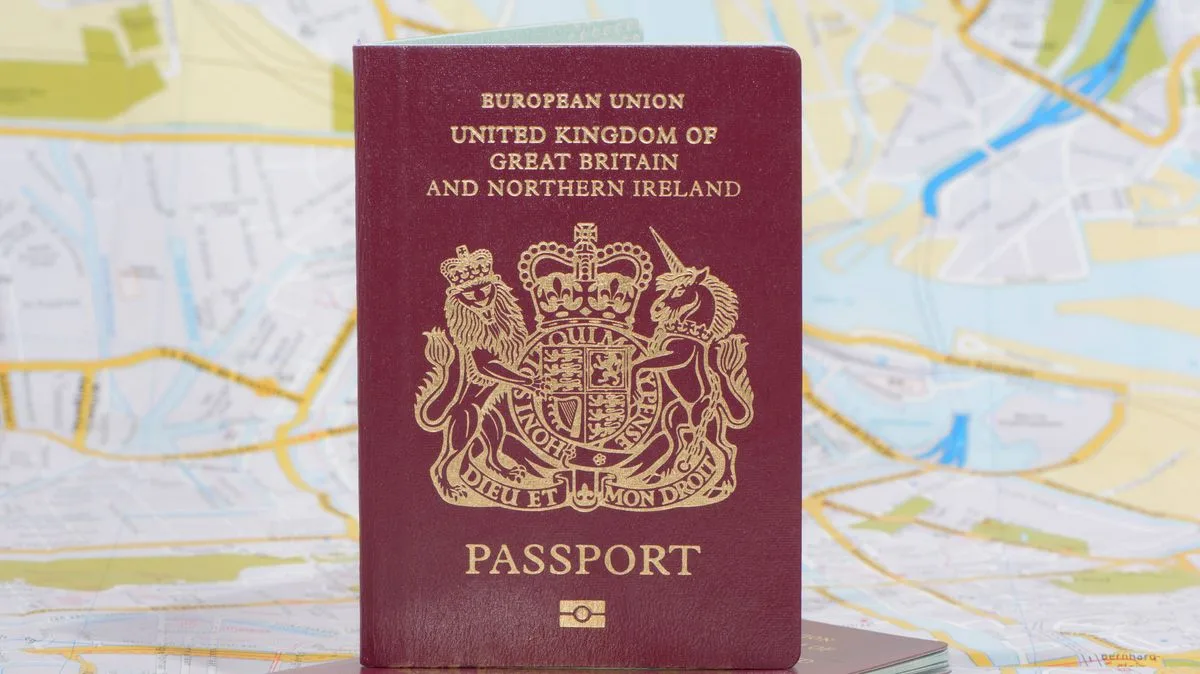
Britons still carrying burgundy passports are being urged to make a crucial check before travelling to the European Union, as many could be caught out by rules on passport validity. An estimated 32 million people in the UK still hold the old-style documents, which remain valid until at least 2029 or 2030.
The warning, shared in a TikTok video by Rudge Daily, highlights that passports issued before 2018 may have had extra months added from a previous passport, meaning they could be more than 10 years old even if the expiry date has not yet passed. EU rules require that a passport be less than 10 years old on the date of entry and have at least three months' validity beyond the planned departure date.
For example, a passport issued in March 2016 and expiring in August 2026 would be over 10 years old now, making it invalid for EU travel despite the remaining validity. The issue mainly affects burgundy passports, as blue passports issued since 2020 are valid for exactly 10 years. Parents are also reminded to check children's blue passports, which are typically valid for only five years.
In addition, travellers should be aware of the new Entry/Exit System (EES), launched in October 2025, which requires biometric data such as fingerprints upon arrival in Schengen area countries. The system replaces passport stamping but may lead to longer queues at border control. No advance action is needed, and registration is free.
Holidaymakers are advised to check the specific passport rules for their destination on the Gov.uk website before travelling.