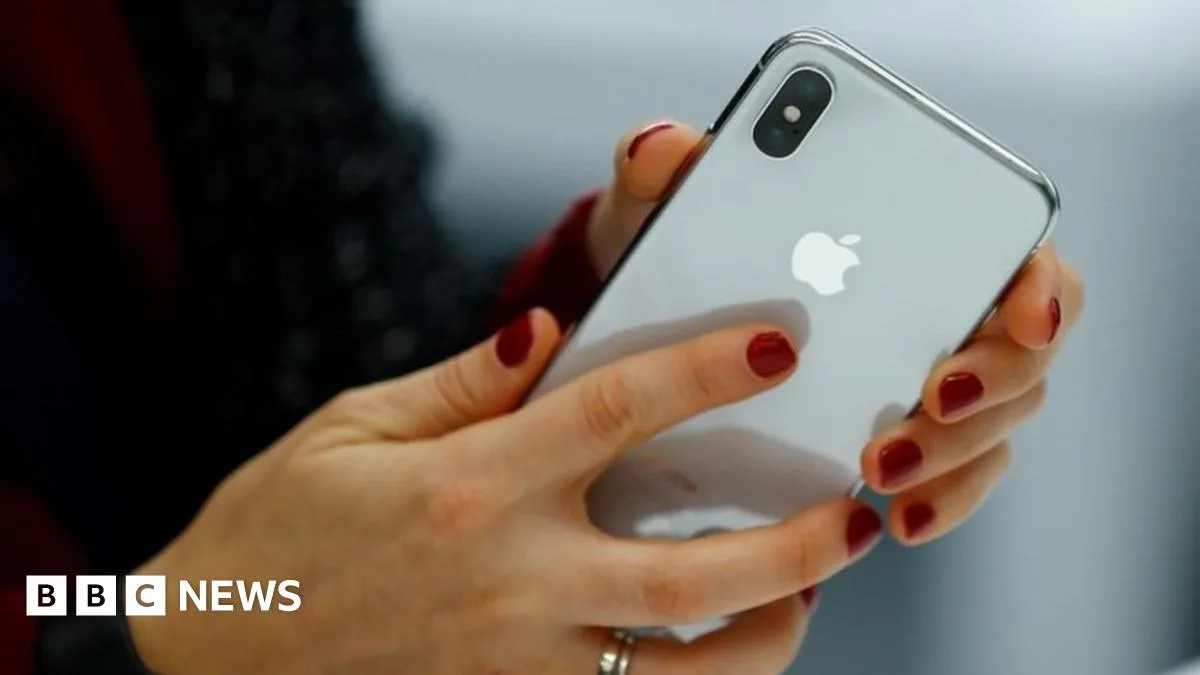
Apple's share price has fallen more than 20% since October, dropping below $180, as concerns mount over iPhone sales and the company's growth prospects. The tech giant, which became the first US company to reach a trillion-dollar market value, has seen its stock decline sharply, affecting the wider market.
The slump follows Apple's disappointing holiday forecast of 0-5% year-on-year revenue growth, which triggered a sell-off. Recent production cuts at suppliers like Lumentum have heightened anxiety, while Apple's decision to stop reporting iPhone unit sales has raised suspicions among investors. Daniel Ives of Wedbush Securities called the move 'the straw that broke the camel's back'.
Apple has raised prices to offset slowing smartphone sales, with the cheapest new iPhone costing $750. However, analysts warn this strategy may not be sustainable. 'Clearly the average selling price trend can't continue forever,' said Angelo Zino of CFRA. Global economic slowdown and mixed consumer spending data add to the risks.
The company is betting on its services business, including Apple Pay and Apple Music, to drive future growth, targeting $50bn in revenue by 2020. But investors remain cautious, as plans for TV, movies, and health are still unclear. 'In a year's time, if the services business doesn't pick up, concerns could be legitimate,' said Carolina Milanesi of Creative Strategies.
Broader market fears, including US-China trade tensions and rising interest rates, have also hit the tech sector. China accounts for about 20% of Apple's revenue, adding to the uncertainty. Despite the turmoil, some analysts remain optimistic long-term. 'I don't believe there is a broader change in the Apple story over the next few years,' said Ives.