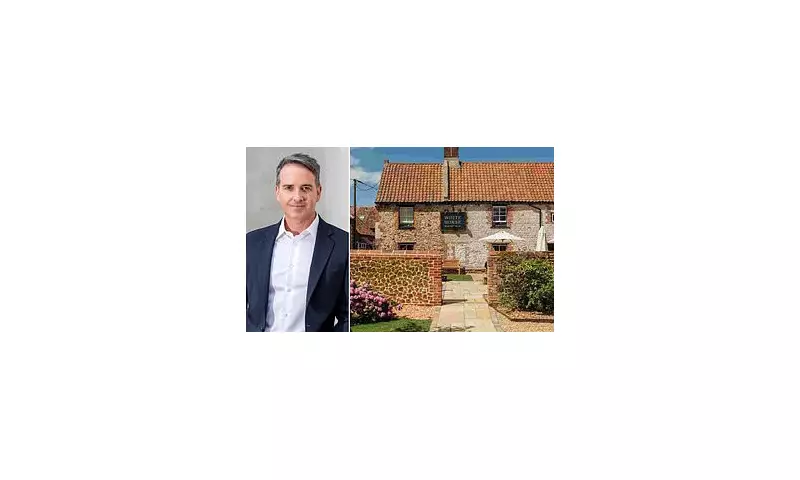
The Chancellor's Autumn Budget has delivered what industry leaders describe as a 'hammer blow' to Britain's cherished pubs and the wider hospitality sector. Business rates are set to skyrocket for many independent venues, with some facing immediate increases of 400% or more, threatening their very survival.
'A Personal Calamity': Publicans on the Brink
The human cost of the policy is already becoming starkly clear. One Lancashire publican, who wished to remain anonymous, is facing complete financial wipeout. Already burdened with pandemic debts, the new rates bill leaves him with no choice but to shut his pub. The closure will cost his family their home, as they live above the business, and has placed immense strain on his marriage and mental health.
This story is not isolated. In Cornwall, Lara Trubshaw of the award-winning Peterville Inn in St Agnes saw her business rates leap from £18,500 to £73,000 overnight. Despite being named Visit England's number one pub in 2024, she doubts the viability of continuing. Similarly, James Nye, who oversees ten pubs in East Anglia, said the government is 'piling on pressure at the very moment we need its backing most'.

Broken Promises and a Sector in Crisis
The Budget has ignited accusations of betrayal from within the industry. Sacha Lord, Chairman of the Night Time Industries Association, stated that 'Labour sold a pack of bare-faced lies to the hospitality industry at the last election'. He referenced a Labour social media campaign from November 2022 which promised to 'scrap business rates and replace them with a fairer system'.
Instead of relief, the sector is grappling with a combination of rising costs. This follows last year's National Insurance increase, which Lord claims cost at least 100,000 jobs, many held by young people. The latest Budget added a further rise in the national minimum wage, particularly impacting younger workers.
Eddie Nelder, owner of Choice Hotels in the North-West, revealed that last April's wage and NI changes cost his business £600,000, wiping out profits from a £20 million turnover. The new minimum wage hike will require finding another £300,000 annually. 'The future feels so bleak,' he admitted.
The Ripple Effect on Communities and Economy
The consequences of widespread closures extend far beyond individual businesses. Each pub acts as an ecosystem hub, supporting local suppliers like piemakers, greengrocers, and laundries. Britain has already lost around 15,000 pubs in the last 25 years, and this new fiscal pressure threatens to accelerate that decline.
Mark Goodey, who runs two café-restaurants in the South West with his family, expressed concern that Labour does not understand rural communities. The rateable value of his sites increased despite promises of reduction, leaving them 'worse off'. For small retailers like Hasna and Shahid Vakkayil, who run a Cambridgeshire convenience shop, the minimum wage rise means they cannot afford to hire any staff at all.
The industry warns that the policy is self-defeating. As pubs close, the Treasury loses tax revenue and local economies suffer devastating blows, all while pushing dedicated business owners and their employees into despair.