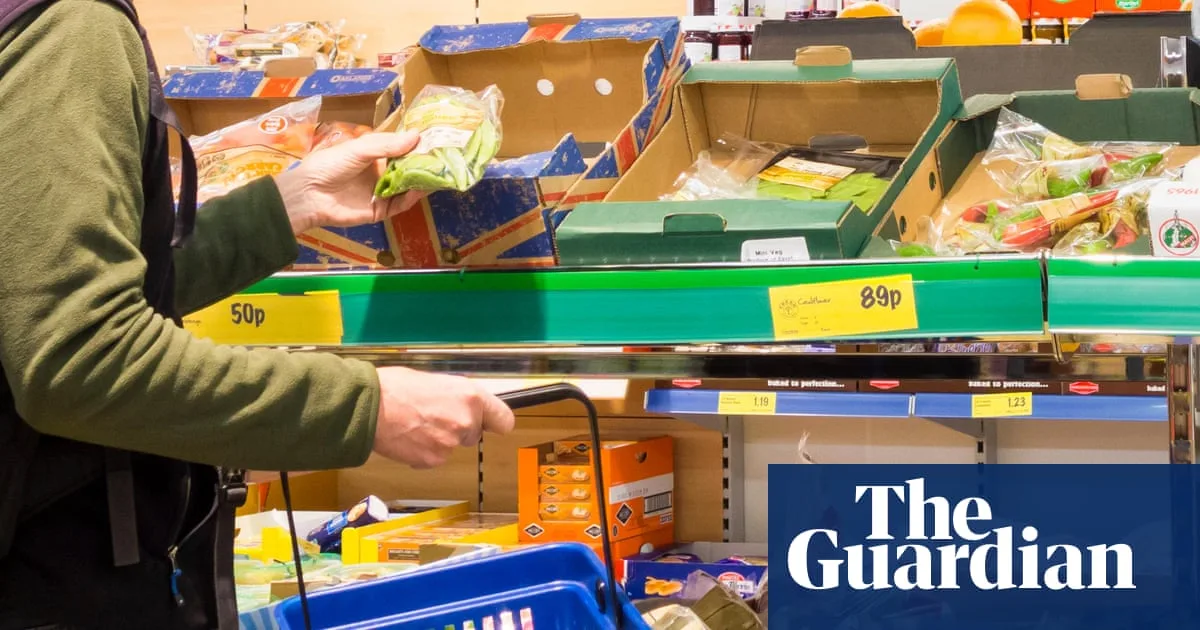
UK inflation dropped more than expected to 3.2% in November, the lowest level in eight months, driven by a slowdown in food price rises and Black Friday discounts. The Office for National Statistics reported the consumer prices index eased from 3.6% in October, surpassing City forecasts of 3.5%.
The decline strengthens the case for the Bank of England to cut interest rates for a sixth time on Thursday. Financial markets indicate a more than 90% probability of a quarter-point reduction from the current 4% base rate. Analysts described a cut as “all-but nailed on” amid faltering economic growth and rising unemployment.
ONS chief economist Grant Fitzner said lower food prices, particularly for cakes, biscuits, and breakfast cereals, were the main driver. Tobacco prices and women’s clothing also contributed to the fall. Food and drink inflation slowed from 4.9% to 4.2%, with olive oil dropping 16.2% and pasta products falling 4.2% year-on-year.
Chancellor Rachel Reeves welcomed the fall, stating: “Getting bills down is my top priority.” However, inflation remains well above the 2% target, and shadow chancellor Mel Stride warned that prices are still rising at “well above the target rate.” Campaigners noted that 7 million households cannot afford essential items this Christmas.