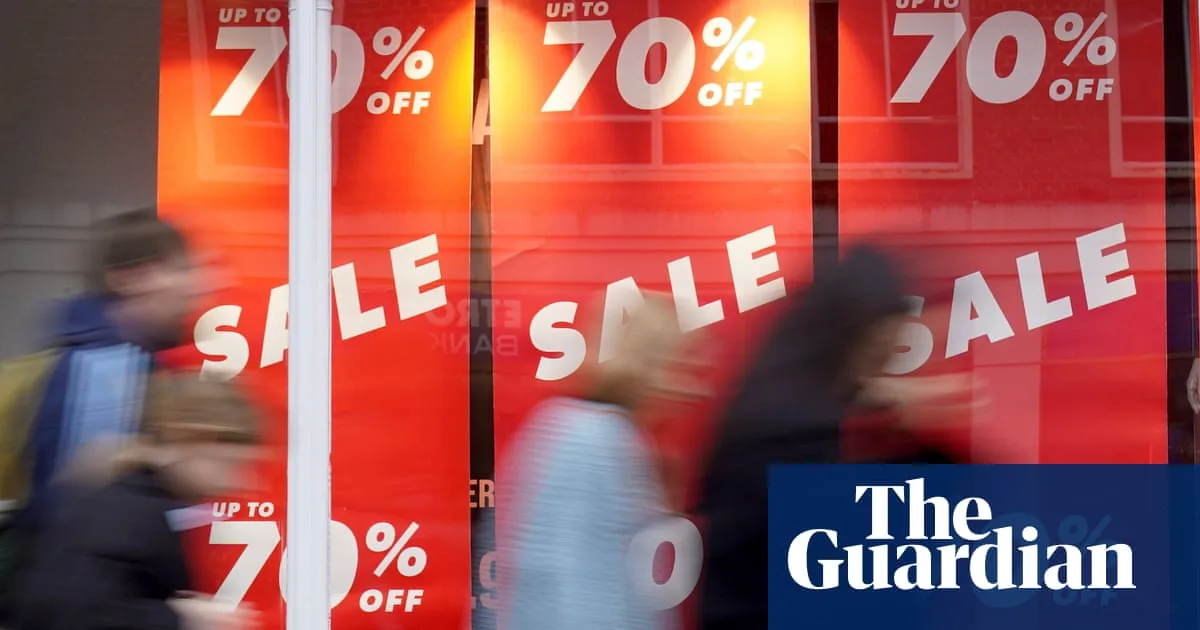
UK retailers experienced a 'drab Christmas' as overall retail sales grew by only 1.2% in December compared with the same month last year, according to the British Retail Consortium (BRC). This figure fell short of the 12-month average growth of 2.3% and marked the fourth consecutive month of slowing sales.
Non-food sales, including clothing and computers, declined by 0.3% year-on-year, contrasting with a 4.4% rise in December 2024. Food sales remained resilient, supported by grocery inflation of 4.3%, though shoppers spent an average of £476 in supermarkets, about £15 more than the previous year.
Discount supermarkets Aldi and Lidl reported record Christmas trading, with Aldi's UK arm posting 3% sales growth and Lidl seeing a 10% rise in the four weeks to Christmas Eve. However, shares in Tesco and Sainsbury's fell sharply as investors expected stronger results. General merchandise sales were weak, with Argos reporting a 2.2% decline in the six weeks to 3 January.
Separate data from Barclays showed card spending dropped 1.7% in December compared with a year earlier, the largest year-on-year decline since February 2021. The bank also found that 64% of shoppers plan to cut grocery spending this year, while more than half intend to reduce discretionary spending on items like new clothes and restaurant meals.
Three retailers—Claire's, the Original Factory Shop, and LK Bennett—are reportedly close to calling in administrators, highlighting ongoing pressures on the high street from online competition, higher costs, and low consumer confidence.