Tesco's chief executive has urged the government to avoid imposing further burdens on the grocery sector ahead of the autumn Budget, despite the supermarket forecasting profits could exceed £3 billion this year.
The UK's largest supermarket highlighted that household budgets remain under pressure, driving consumers to increasingly seek out value. Ken Murphy, Tesco's chief executive, expressed his hope that the upcoming Budget would not exacerbate the financial strain on grocers already grappling with escalating business expenses.
“What we’d love to see is a Budget that’s pro-growth and pro-jobs which, as a result, will help customers with the cost of living,” Mr Murphy stated. “We know that people are worried about what lies ahead and we’re seeing that in the consumer sentiment. As a food retailer, we operate in a very competitive and very tough environment, and I think our one ask is don’t make it harder for the industry to deliver great value for customers.”

Tesco noted that a higher rate of employer National Insurance has added approximately £235 million to its annual costs, while new packaging taxes contributed around £90 million. “In the last budget, the industry incurred substantial additional operating costs. We’re doing our best to deal with them but enough is enough,” Mr Murphy added.
Despite these pressures, the retailer confirmed on Thursday that its annual profits are now expected to be higher than previous estimates. It now expects underlying earnings for the full year of between £2.9 billion and £3.1 billion, up from its previous guidance range of between £2.7 billion and £3 billion. This comes after its adjusted operating profit rose by 1.6 per cent to £1.67 billion for the first half of 2025, compared with the same period last year, on the back of UK sales jumping by 4.9 per cent.
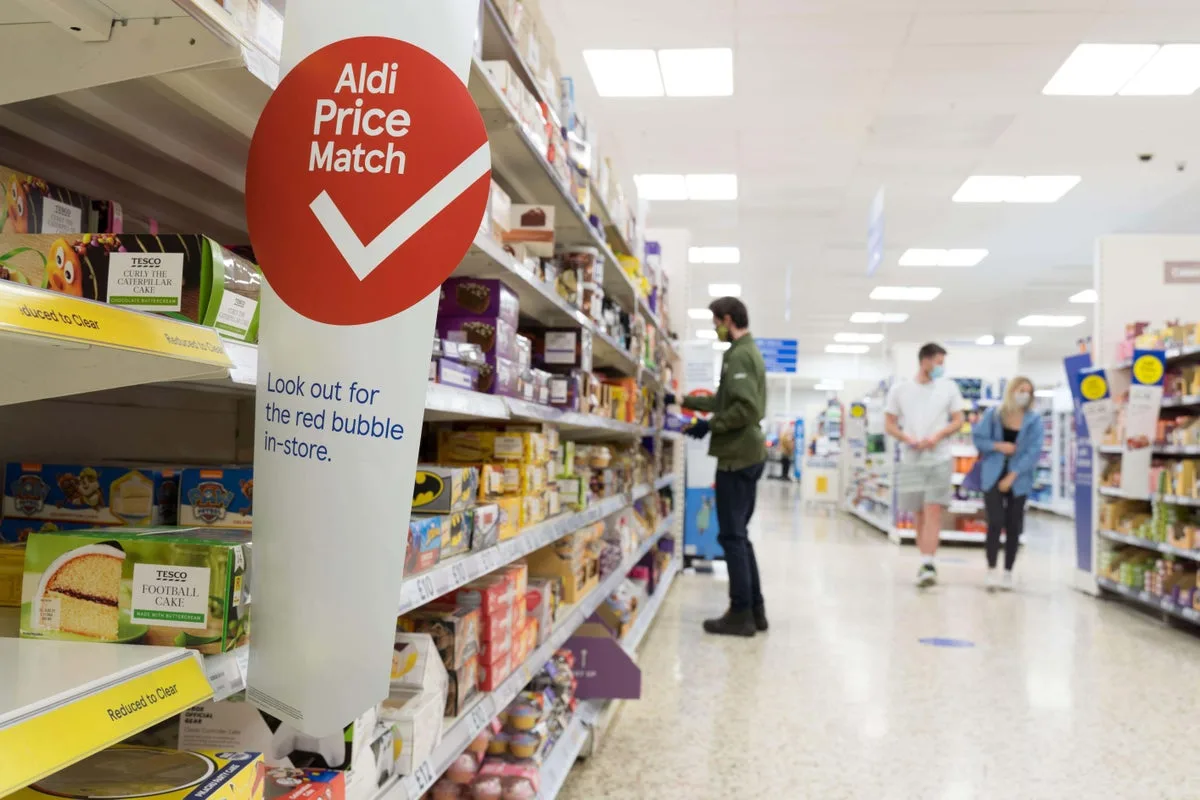
Mr Murphy said shoppers were responding well to its efforts to lower prices on hundreds of products, which was boosting the volume of items put in people’s baskets. Across the UK, Tesco has cut the prices of some 6,500 products compared with last year, with an average reduction of around 9 per cent. The boss said the industry remains “incredibly competitive” amid a price war heating up among rival supermarkets, and he was expecting that to continue into the second half of the year.