High Street Fashion Chain Quiz Enters Administration, Threatening 85 Outlets and 1,000 Jobs
Quiz Enters Administration, 85 Stores and 1,000 Jobs at Risk

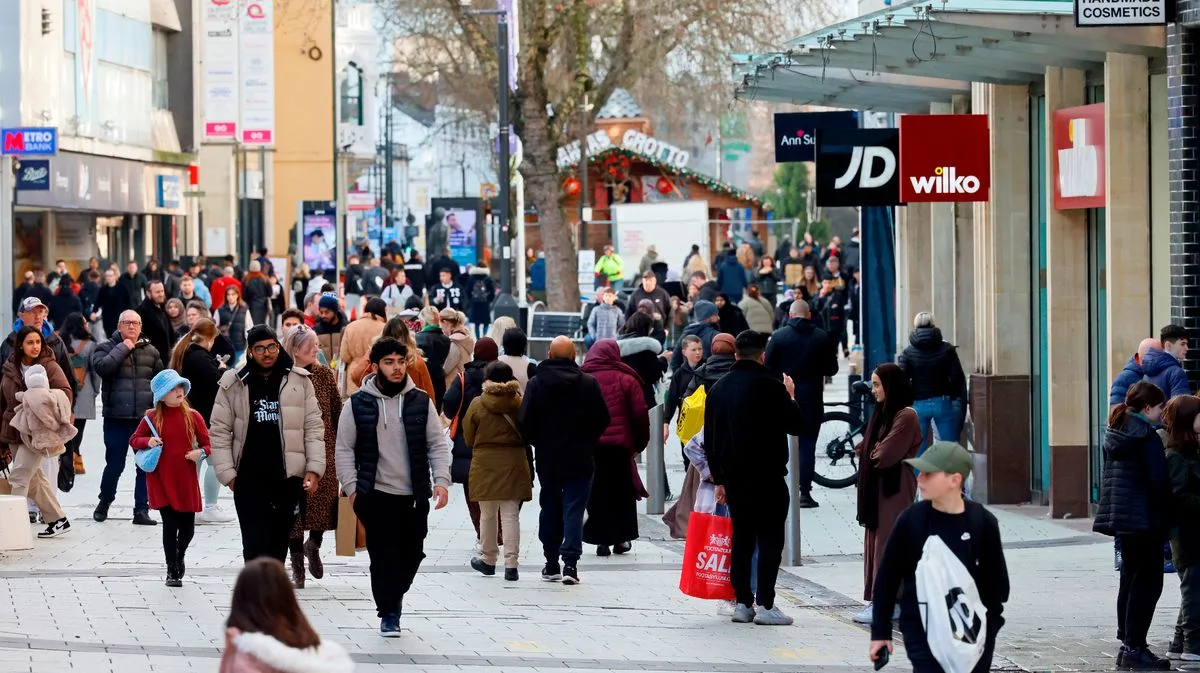
In a significant blow to the UK high street, fashion retailer Quiz has officially confirmed it is entering administration, placing a total of 85 outlets and approximately 1,000 jobs at severe risk across the country. The company has filed a notice of intention to appoint administrators, as reported by The Telegraph, marking a critical juncture for the troubled chain.

Stores and Concessions Under Threat

Quiz's website currently lists 44 standalone branches located in various cities throughout the United Kingdom, including prominent locations in London, Birmingham, and Manchester. In addition to these stores, the retailer operates 41 concessions within other high street names, primarily New Look, which are also now facing uncertainty.

The full list of Quiz shops includes:

  • Aberdeen
  • Basingstoke
  • Belfast Castlecourt
  • Birmingham Merryhill
  • Bracknell
  • Cardiff
  • Carlisle
  • Castleford Junction 32
  • Craigavon
  • Derby
  • Dunfermline
  • Eastbourne
  • Galway Ryans
  • Glasgow Braehead
  • Glasgow Buchanan Galleries
  • Glasgow Clydebank
  • Glasgow Fort
  • Glasgow St Enochs
  • Hanley
  • Hull
  • Inverness
  • Irvine
  • Leeds White Rose
  • Leicester
  • Livingston
  • Manchester Arndale
  • Manchester Trafford
  • Mansfield
  • Newcastle Metro
  • Newry
  • Newtownabbey
  • Northampton
  • Norwich
  • Portsmouth
  • Romford
  • Sheffield Meadowhall
  • Stirling
  • Telford
  • Thurrock Lakeside
  • Warrington
  • Watford

The concessions at risk are situated in locations such as Ballymena, Bangor, Basildon, Belfast Victoria, Blackburn, Blackpool, Bolton, Braehead, Braintree, Bristol, Broughton Park, Cardiff, Coventry, Crawley, Dungannon, Edinburgh Fort, Glasgow Buchanan, Grantham, Leamington Spa, Leeds, Lisburn, Llantrisant, Magherafelt, Meadowhall, Metro Centre, Morfa Shopping Park, Newcastle, Newport Wales, Newton Abbot, Norwich, Plymouth, Preston, Salisbury, Solihull, Swindon, Thanet, Truro, Twells New, Wolves, Inverness Rp, and Ipswich.

Recent Struggles and Previous Administrations

This development follows just days after Quiz revealed it was exploring several strategic options to secure its future, citing "disappointing" Christmas trading figures. The company had been considering measures such as securing fresh funding and potentially closing certain branches to stabilise operations.

If the administration proceeds, this would represent the third time in six years that Quiz has entered this process. The founding Ramzan family previously placed the business into administration less than twelve months ago, resulting in the closure of 23 stores, before purchasing back the remaining assets through a pre-pack arrangement. Additionally, Quiz shut 11 branches in 2020, attributing those difficulties to coronavirus lockdowns and the associated retail disruptions.

Mounting Pressures on the High Street

In recent years, Quiz has been grappling with a combination of economic challenges that have plagued many UK retailers. These include increased employer National Insurance contributions, rising minimum wage requirements, and escalating energy costs. A company spokesperson elaborated on these pressures, stating: "Like many other high street retailers, we have faced significant headwinds over the past 12 months, including the impact of fragile consumer confidence and a significant increase in business rates and employer costs."

The spokesperson further explained: "While we continue to explore the options available to us, we have today filed Notices of Intention to Appoint Administrators which will give us the time we need to try and secure a positive outcome." For the time being, Quiz has confirmed that its stores remain open and operations continue as normal, though this status is clearly under review as the administration process unfolds.

This news underscores the ongoing fragility of the UK retail sector, particularly for fashion chains operating physical stores amidst shifting consumer habits and rising operational expenses. The potential loss of 1,000 jobs would represent a significant employment blow across multiple communities, highlighting the broader economic implications of high street struggles beyond mere store closures.