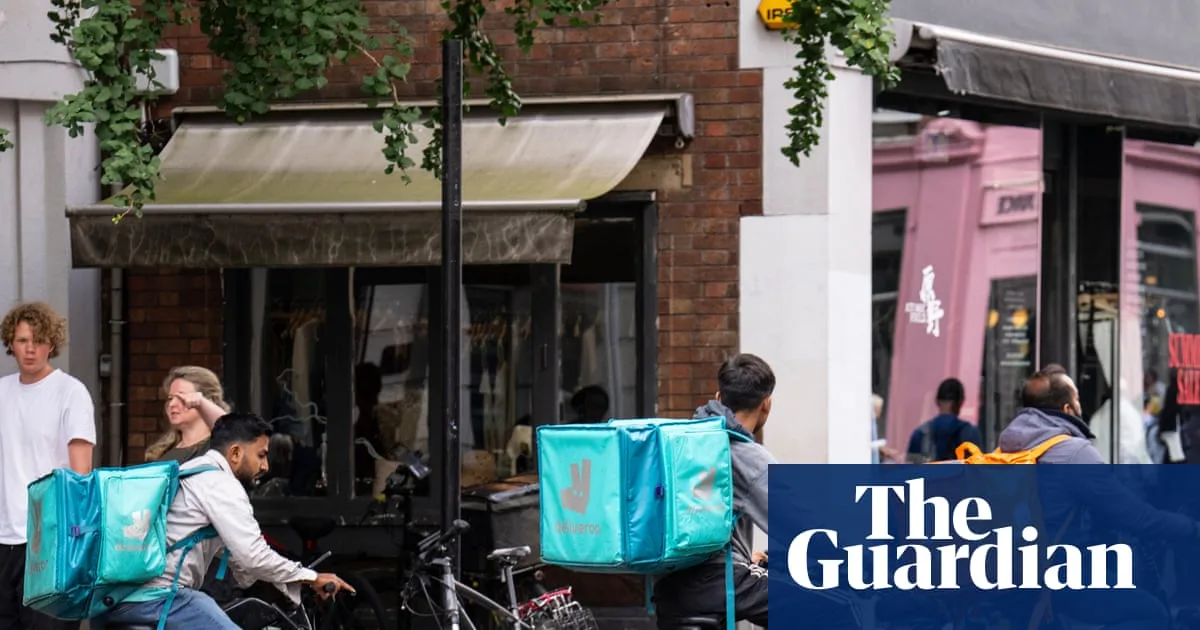
One in seven food businesses on major delivery platforms such as Deliveroo and Just Eat in England are now 'dark kitchens', according to a university study. These delivery-only operations, also known as cloud, ghost or virtual kitchens, have no customer-facing storefront and account for 15% of all online food retailers in England.
Researchers from the University of Sheffield and other institutions, commissioned by the National Institute for Health and Care Research, established the first industry-wide definition for dark kitchens: 'Technology-enabled commercial kitchen(s) operating primarily for delivery, to fulfil remote, on-demand, consumer online orders of food for immediate consumption.' The study used data-scraping methods across platforms such as Uber Eats and Deliveroo, identifying clusters of food brands operating from the same postcode, a key indicator of delivery-only hubs.
Dr Lucie Nield, co-lead investigator from the University of Sheffield, said: 'People deserve greater transparency about the food they are ordering online, and these businesses must be held to the appropriate regulatory standards. Without this, dark kitchens risk falling through the gap, with potential consequences for public health, particularly by encouraging increased use of online takeaways, greater availability and therefore greater consumption of high fat, salt or sugar food.'
The study highlighted potential public health risks, including the circumvention of planning policies that limit takeaway density around schools. Food safety concerns were also raised, particularly for customers with allergies, as multiple businesses can operate from the same kitchen space, increasing the risk of allergen cross-contamination. A 2023 survey found that only a quarter of participants had heard of dark kitchens, and just 9% knowingly used one, but after reading a working definition, more than half said they would consider buying from one, though most wanted this to be made explicit.
The new definition aims to bring dark kitchens under stricter planning and public health oversight, with clearer regulation and inspection processes to ensure consumer safety and transparency.