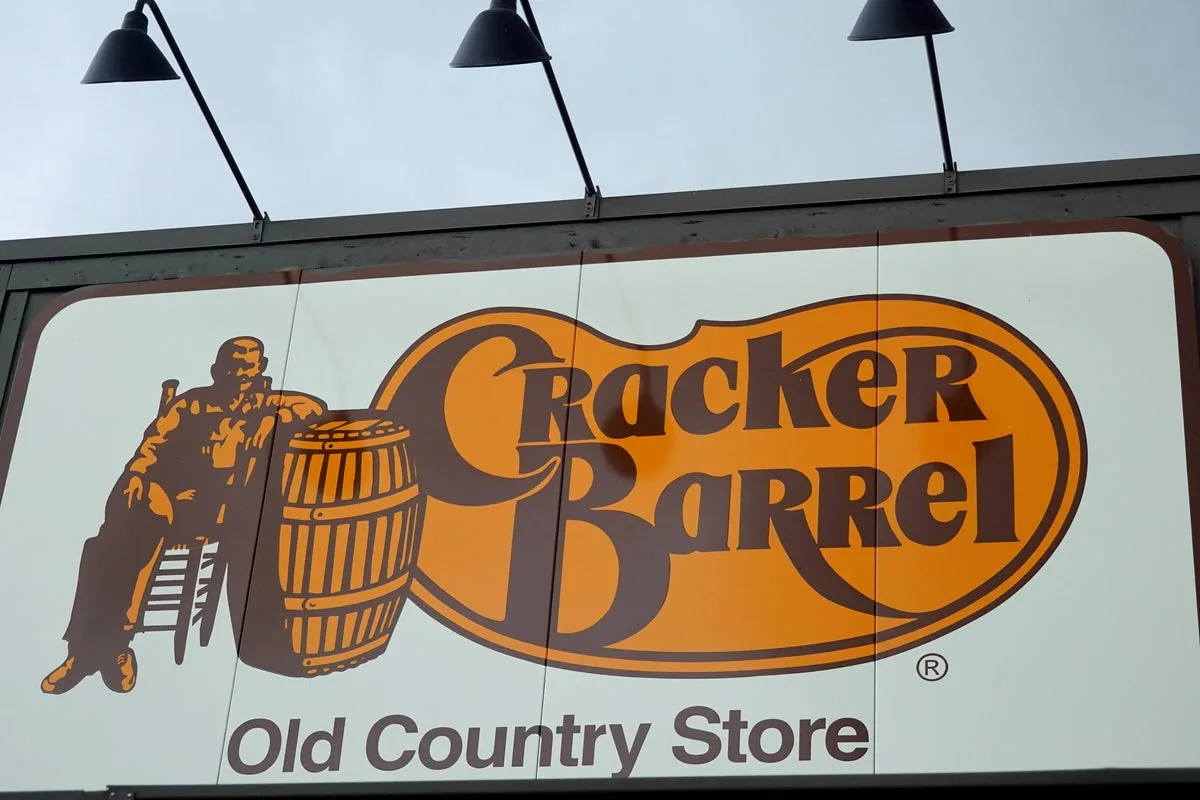
Cracker Barrel has moved to clarify its employee dining policy after reports that staff must eat at its own restaurants while travelling went viral. The Wall Street Journal reported on Friday that the Southern-themed chain had introduced a new rule requiring employees to dine at a Cracker Barrel location 'for all or the majority of meals while travelling'.
In a statement to The Independent, the company said the policy was not new and that employees are not restricted to eating only at Cracker Barrel. 'The policy for employees to dine at Cracker Barrel while traveling for business, whenever practical based on location and schedule, is not new. Also, it is not the only place that our employees may eat when on the road, as previously reported,' the statement read. The company added that the recent guideline change was to 'limit reimbursement of alcoholic beverages under the policy'.
The clarification comes amid a difficult period for the chain, which saw sales decline late last year following a controversial rebranding of its logo. The removal of its long-time mascot, Uncle Herschel, from signage drew national attention and even a comment from President Donald Trump. The move reportedly cost the company an estimated $94 million in market value in a single day, with critics branding the redesign as 'woke'. Within days, Cracker Barrel reverted to its classic logo, but sales continued to suffer.
For the financial quarter from August 1 to October 31, 2025, revenue was down 5.7 percent compared to the same period the previous year. The company also faced backlash over plans to modernise over 650 locations, which critics said would erode the chain's identity. Those plans were subsequently scrapped. In a statement at the time, Cracker Barrel acknowledged the public's attachment to its brand, saying, 'If the last few days have shown us anything, it’s how deeply people care about Cracker Barrel.' The company reassured customers that beloved features such as rocking chairs, fireplaces, peg games, and vintage Americana would remain.