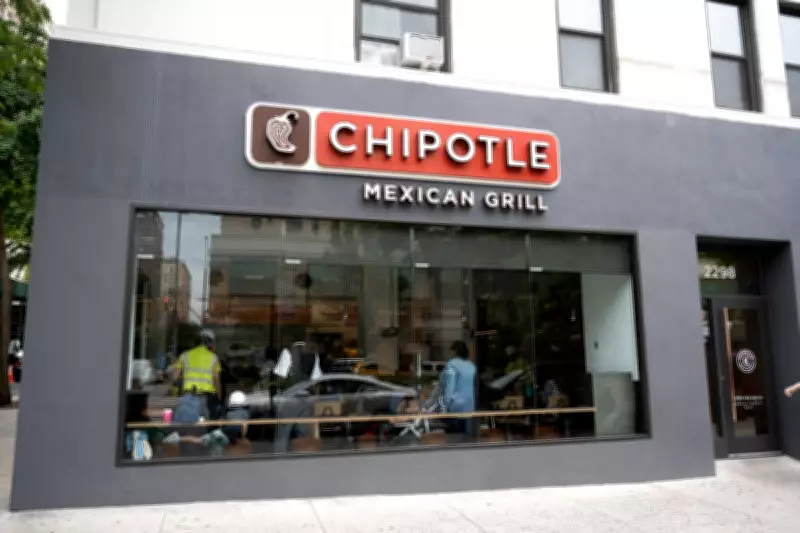
Chipotle Faces Sustained Customer Decline as Weight-Loss Drugs Transform Dining Habits
The popular fast-casual restaurant chain Chipotle has reported another significant drop in customer traffic, marking the fourth consecutive quarterly decline as the company grapples with changing consumer behaviour influenced by weight-loss medications and broader economic pressures.
GLP-1 Drugs Reshape the Fast-Food Landscape
The surging popularity of appetite-suppressing GLP-1 drugs like Ozempic and Wegovy is fundamentally altering how Americans approach dining, creating substantial challenges for restaurant chains accustomed to serving larger portions. Chipotle finds itself at the forefront of this industry shift, with executives acknowledging the need to adapt their offerings to cater to customers who are eating less overall or prioritising specific nutritional profiles.
Customer numbers fell by 3.2 per cent during the fourth quarter, with the most pronounced decreases occurring among lower-income diners. However, company analysis reveals that spending reductions have affected all income brackets, prompting a strategic reassessment of target demographics.

Strategic Menu Innovation Targets New Customer Base
In response to these market shifts, Chipotle has accelerated its menu innovation programme, introducing new high-protein, portion-controlled items specifically designed to appeal to GLP-1 users and health-conscious consumers. The chain's "protein cups," launched in December as a low-cost snack option, represent a deliberate attempt to provide accessible entry points to the brand while addressing evolving dietary preferences.
"Having a taco at $3.50 and a protein cup around $3.80 across the country creates an approachable price point that gives consumers meaningful access to our brand," explained CEO Scott Boatwright in comments reported by CNBC. "This strategy solves for those seeking different choices, whether they're GLP-1 users or individuals with specific dietary requirements focusing on higher protein or fibre content."
Financial Performance and Strategic Outlook
Despite the persistent decline in foot traffic, Chipotle's quarterly financial results exceeded Wall Street expectations, with adjusted earnings reaching 25 cents per share and revenue totalling $2.98 billion. Same-store sales decreased by 2.5 per cent year-on-year, representing a slightly better performance than analysts had predicted.
The company reported its first annual sales decline since 2016, with full-year 2025 sales dropping by 1.7 per cent. For 2026, Chipotle has adopted a conservative outlook, forecasting flat same-store sales amid unpredictable consumer behaviour patterns.
Following the earnings announcement, shares fell as much as 11 per cent in after-hours trading, reflecting investor concerns about the chain's ability to reverse the customer traffic trend.
Demographic Focus and Expansion Plans
Chipotle's strategic analysis has revealed that 60 per cent of its core users have household incomes exceeding $100,000 annually, prompting increased focus on pursuing this more affluent demographic. The company emphasised that winning new customers will require innovative strategies beyond simple discounting, acknowledging that price competition alone cannot address fundamental shifts in eating habits.
The chain remains committed to operational expansion despite current challenges, with plans to open up to 370 new stores during the coming year. Company leadership stressed there are no plans to close existing locations, indicating confidence in long-term recovery prospects.
Chipotle has implemented measured pricing strategies, attempting to raise menu prices more slowly than inflation rates to avoid alienating cost-conscious diners while simultaneously strengthening engagement with higher-income customers. This balanced approach reflects the complex navigation required in today's challenging consumer landscape, where economic pressures intersect with significant behavioural shifts driven by pharmaceutical innovations.