A seasoned charity shop shopper has raised concerns about the declining quality of goods in UK charity shops, warning that shelves are increasingly stocked with overpriced, damaged, and unwanted items. Charlotte, a vintage and pre-loved seller known for spotting bargains for resale online, shared her findings after visiting four major charity shops in one day.
The Shift in Charity Shop Stock
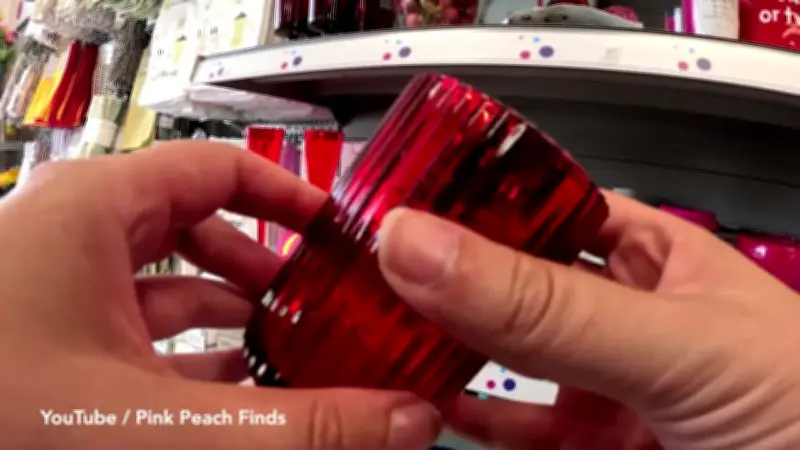
In a video for her Pink Peach Finds YouTube channel, Charlotte said that while charity shops have always had "the occasional weird item," matters have recently taken a dramatic turn for the worse. "The shelves are increasingly filled with stuff that nobody really wants, damaged stuff, and basically just crap," she stated.
To substantiate her claim, Charlotte deliberately looked past items she might typically focus on. "Almost immediately, I came across items that I could classify easily as just tat – little bits of pieces, individual cups, random pieces of plastic that have been donated," she said.
Examples of Overpriced and Damaged Goods
One example she flagged was a plastic cup that can be purchased brand new at B&M for 99p, but was priced at £4 in the charity shop. Another was a tea canister with a cork lid forced in so tightly it was virtually impossible to remove. Charlotte also noted an abundance of chipped and cracked crockery unfit for sale, as well as items priced above their original retail value.
"What really struck me was just how much of it was basically fit for the bin," she said. "There was just so much stuff there – single tea-light holders, damaged pencil cases, plastic snack containers that really shouldn't be on the shelves."
Pricing Discrepancies
A jar of old potpourri that had lost its fragrance and contained dust was priced at £4. Some 37p tea lights were offered at £2, and a small mirror retailing at £2 new from Poundland was marked up to £3. The "final straw," she said, was a rubber duck priced at £4 when a brand-new one would cost £5.50.
Charlotte emphasized that her concern is not about charity shops selling online. "This is not a complaint that charity shops sell online. It's not a complaint that I can't find things to resell. Charity shops can sell however they like," she stressed. "What I'm interested in is what it means for people actually walking through the door and shopping in these spaces day-to-day."
The Impact on Physical Stores
Charlotte noted that desirable items are often "whipped away" to be sold online, leaving physical stores with low-quality stock. This trend, she argued, could spell trouble for traditional charity shops. "Shops are more than welcome to put their stuff online, but we have to wonder what that means for the brick and mortar shops. What is going to happen to those?" she said.
Her "oddest find of the day" was a pair of decorative egg baskets sold for 50p each, which can be bought in a pack of 18 for £5.99 on Amazon—just over 30p each. Across all four shops, she said the poor-quality stock "just kept going and going and going."
Conclusion
Charlotte's findings highlight a growing concern that charity shops may be losing their appeal as sources of affordable, quality secondhand goods. With more stock being diverted online, the future of physical charity shops remains uncertain. As she put it, "I think it's going to be interesting to watch."