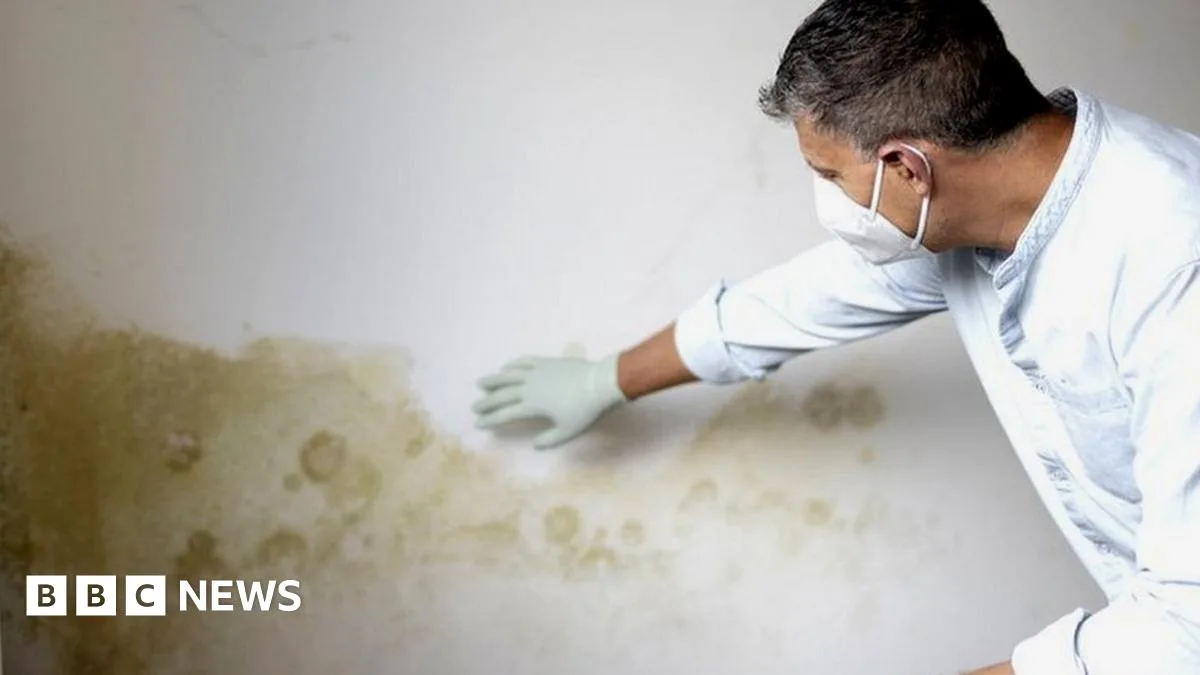
As temperatures dropped in recent weeks, mould began spreading in Kate Martin's Midlands home. The black speckles colonised windowsills, wallpaper and furniture, causing breathing difficulties. 'I couldn't breathe properly, my chest hurt,' says the artist. After cleaning the mould and using a dehumidifier, she noticed improved air quality. 'We were breathing freely again.'
Water vapour condenses on cold surfaces, and drying indoor air reduces condensation and mould. Mrs Martin's house also feels warmer and easier to heat, as dry air requires less energy to warm. 'It doesn't matter if you have 10 blankets, if it's damp, you are freezing,' she says.
Energy prices remain roughly double their level two years ago, driving demand for low-cost home heating and drying solutions. 'Demand has been bonkers,' says Chris Michael, managing director of British dehumidifier brand Meaco. Last Christmas, the firm had a waiting list of 20,000. This year, he planned to supply 280,000 units but fears it won't be enough. 'We should have brought in an extra 50,000.'
Dehumidifiers work by refrigerant cooling or desiccant absorption. Good-sized units cost £150–£350. Refrigerant models are most popular and cheaper to run, but desiccant ones release heat, helping warm cold spaces like conservatories. With tumble drying costing over £1.50 per load, dehumidifiers can dry hung clothes for pennies. Rachael Peterson, an electronics engineer in Oxfordshire, dries clothes overnight on a cheap tariff for under 4p.
Prof Cath Noakes, air quality expert at the University of Leeds, stresses the importance of ventilation and heating alongside dehumidifier use. Ideal relative humidity is 40–60%. 'High humidity is associated with mould... Very low humidity... is associated with things like respiratory viruses.' Dehumidifiers don't remove mould, only moisture that encourages it, and cannot fix leaks or water ingress.
Around 15 years ago, engineer Ray Galvin at the Cambridge Institute for Sustainability Leadership conducted one of few scientific studies on dehumidifier efficacy in British homes. A 1930s three-bed semi in Cambridge saw moisture problems reduced by running the device. 'It just seemed to me a really important thing to try,' says Dr Galvin. 'Nobody had worked it out in that sort of systematic way before.'