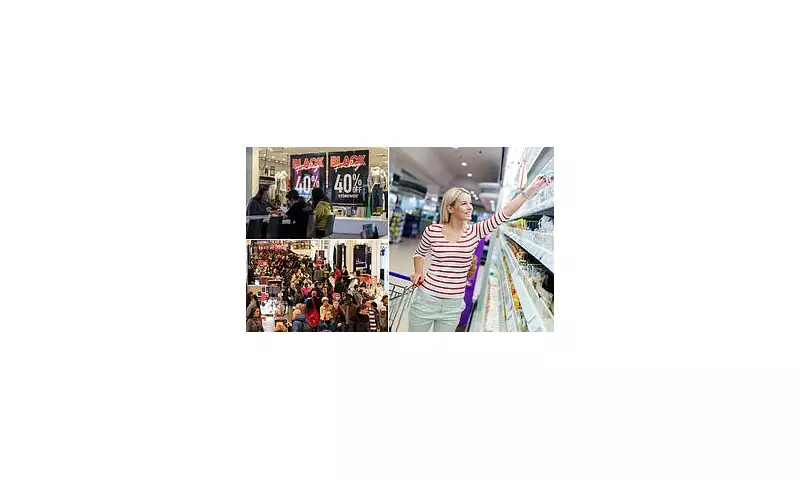
The traditional image of Black Friday, with shoppers brawling over cut-price large-screen televisions and hoarding luxury items, is becoming a relic of the past. A profound shift is underway in American spending habits, driven by economic pressures, with this year's sales focused squarely on practical, everyday necessities.
The New Black Friday: Essentials Take Centre Stage
This year, the day after Thanksgiving is less about indulgence and more about necessity. According to a report from Bloomberg, shoppers are strategically targeting deep discounts on fundamental household goods. Items like pet food, laundry detergent, socks, and underwear are topping shopping lists, replacing the luxury electronics and scented candles of years gone by.
Data from the consultancy Deloitte confirms this trend, revealing that a significant 64 percent of shoppers intend to purchase bare necessities during the sales period. This figure marks a notable increase from the previous year, where 58 percent of respondents reported the same intention.

Economic Anxiety Fuels the Shift in Spending
This change in consumer behaviour is not sudden. The momentum has been building for months, with basic household staples ranking among the top sellers during Amazon's Prime sale this summer. Mark Mathews, chief economist at the National Retail Federation (NRF), notes, "As we saw during this summer's back-to-school shopping season, consumers are keen to take advantage of holiday spending events to also purchase everyday goods."
This pragmatic approach is a direct reflection of growing financial anxiety. The NRF predicts people will spend slightly less on gifts, food, and other holiday items this year, with 85 percent of shoppers expecting prices to rise because of tariffs. Compounding this, University of Michigan data indicates that Americans feel the worst about their personal finances since 2009, exacerbated by rising prices and concerns over job security and recent layoffs.
Government retail figures for September showed a slowdown, with notable drops in sales at electronics, appliance, and sporting-goods stores. Furthermore, the spending gap is widening. Moody's Analytics reported that in the second quarter, the top 10 percent of earners accounted for nearly half of all spending, while lower-income groups are becoming increasingly cautious with their budgets.
The Psychology of Practical Purchases
Choosing practical items over luxury gifts is a conscious strategy for many households. Joel Waldfogel, a professor at the University of Minnesota's Carlson School of Management, explains that this helps people feel they are being careful with their finances. "Getting socks or underwear under the tree is disappointing, but it's a safe expenditure," Waldfogel said.
This sentiment is echoed by shoppers like Megan Hamand, a 37-year-old financial statement auditor from San Diego. Speaking to Bloomberg, she revealed that while she still waits for Black Friday deals, her focus is now on stocking up on essentials like her favourite mascara and sunscreen to avoid paying full price later. "It's hard to not feel like things are less affordable," Hamand stated. "I don't really have any incentive to buy anything at full price."
With nearly two-thirds of consumers planning to wait for the big Thanksgiving weekend discounts to do the bulk of their shopping, it is clear that the era of Black Friday as a purely discretionary splurge is over, replaced by a more calculated and essential-driven consumer mindset.