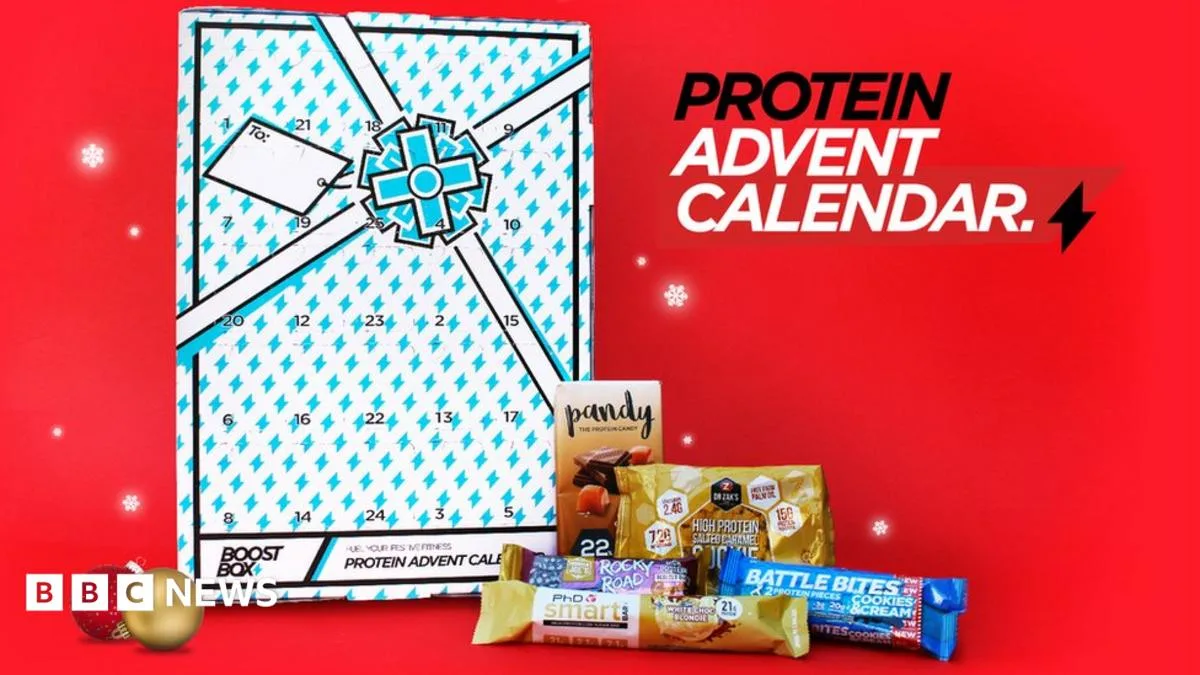
So-called adult or 'non-traditional' advent calendars have become a huge hit on the High Street in recent years, but there are now concerns that the market may be reaching saturation point. These specialist, often pricey calendars typically sell out quickly, with Boots' No7 Beauty Advent Calendar reportedly having a 90,000-person waiting list this year before selling out in two days. However, with 25 different gift calendars on offer at Boots alone, some analysts believe we may be approaching 'peak calendar'.
Shoppers on London's Oxford Street expressed mixed views. Rosanna, who visited John Lewis, liked the concept but found last year's beauty calendar disappointing as the products were unsuitable for her skin. Sarafina was less enthusiastic, calling them 'a waste of money' and 'a bit of a rip-off', noting that the miniature products don't give a good sense of the full-sized versions.
Retailers argue that calendars allow customers to discover new products without committing to full sizes. For example, Sainsbury's Gin Advent Calendar costs £60 and includes 24 miniature bottles of premium gin. Catherine Shuttleworth of Savvy consultancy says calendars are popular as self-purchases and particularly appeal to millennials, who grew up with chocolate advent calendars and now want adult versions.

Consumer trends expert Jasmine Birtles suggests that retailers use calendars as a marketing tool to extend the Christmas shopping season. Many calendars claim to offer goods at a discount—Boots' No7 calendar was priced at £42 but contained cosmetics worth £177. However, Shuttleworth notes that retailers still make good margins and use calendars to drive additional sales, as seen with M&S's offer of a £35 calendar when customers spend £35 on other goods, otherwise priced at £70.
The trend began in the beauty sector around 2010 but has expanded to include products from protein bars to Lego, jam, and cereal bars. While Shuttleworth expects such calendars to be 'everywhere' this year, she warns that too many options could lead to consumer fatigue. 'This trend has been building up for a while but I think it could peak this year,' she said, adding that calendars become useless after 1 December.