
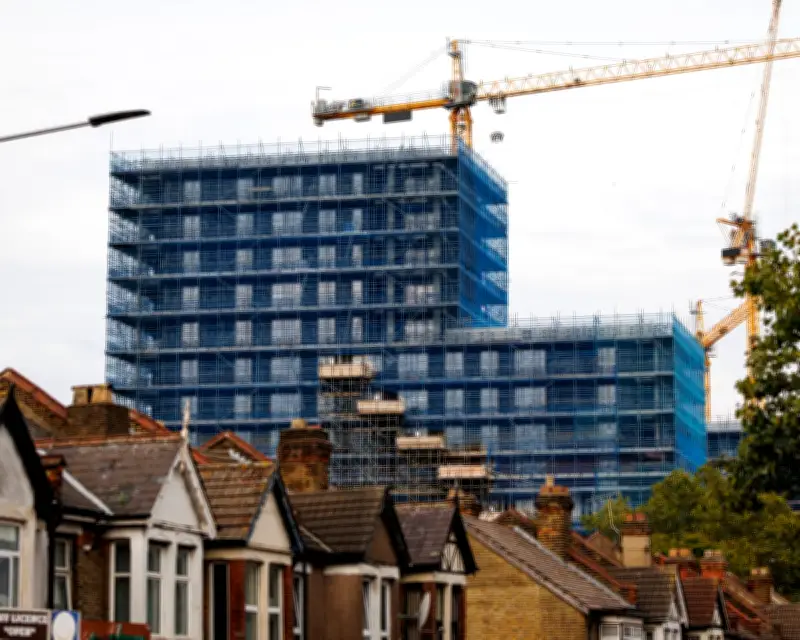
Housing secretary Steve Reed has been working on plans for a state-owned housing developer, according to leaked details obtained by the Guardian. The proposed body could borrow at lower rates than private developers and housing associations, aiming to stimulate persistently low housebuilding rates.
Current Housebuilding Figures Fall Short
Prime Minister Keir Starmer promised to build 1.5 million new homes over this parliament, but government statistics show builders began work on just 130,170 in the past 12 months—half the annual average needed to meet the target. Overall building figures remain well below levels from three years ago, despite government stimulus measures that boosted affordable home starts by 26% year-on-year.
Plans Cannot Be Enacted Before Starmer Steps Down
The plans are not yet finalised and cannot be enacted before Starmer resigns, following a cabinet secretary order barring major announcements until the new government takes office. However, they could appeal to the likely next prime minister, Andy Burnham, who has advocated greater public control over “the essentials of life.” Burnham is expected to be named Labour leader on 17 July and become prime minister three days later.
How the State-Owned Developer Would Work
Under Reed’s proposal, the government would redirect funds currently allocated to Homes England to establish a new independent body overseeing housebuilding. This organisation would buy land and develop projects, using private companies for construction. It could also be granted borrowing powers, enabling significant expansion but potentially increasing government debt. The developer would build all types of homes, including commercially available properties, competing with major housebuilders. It would also construct affordable homes, taking over some roles from cash-strapped housing associations.
Challenges in the Housing Market
High material and debt costs have hampered building. Wars in Ukraine and the Gulf have driven inflation, raising construction costs. Housing associations warn that the government’s affordable housing budget allocation—with much funding in later years—risks worsening the problem. Meanwhile, Reed and London mayor Sadiq Khan have agreed to slash affordable housing quotas to encourage private developers to build more.
Pilot and Political Context
The state-owned developer plan would initially be piloted in a small area and would not be allowed to undermine the private sector. Reed has been a loyal Starmer ally but did not appear at Downing Street for Starmer’s resignation speech; he later attended Burnham’s inaugural photograph as Makerfield MP. Ministers are currently barred from announcing new policy, but some have faced backlash for pitching ideas. A housing department spokesperson said: “New housing starts have increased by nearly a quarter compared to the same time last year, while last year also saw council housing completions at their highest since 1992. We are always looking at ways that we can go further and build the homes we need.”




