
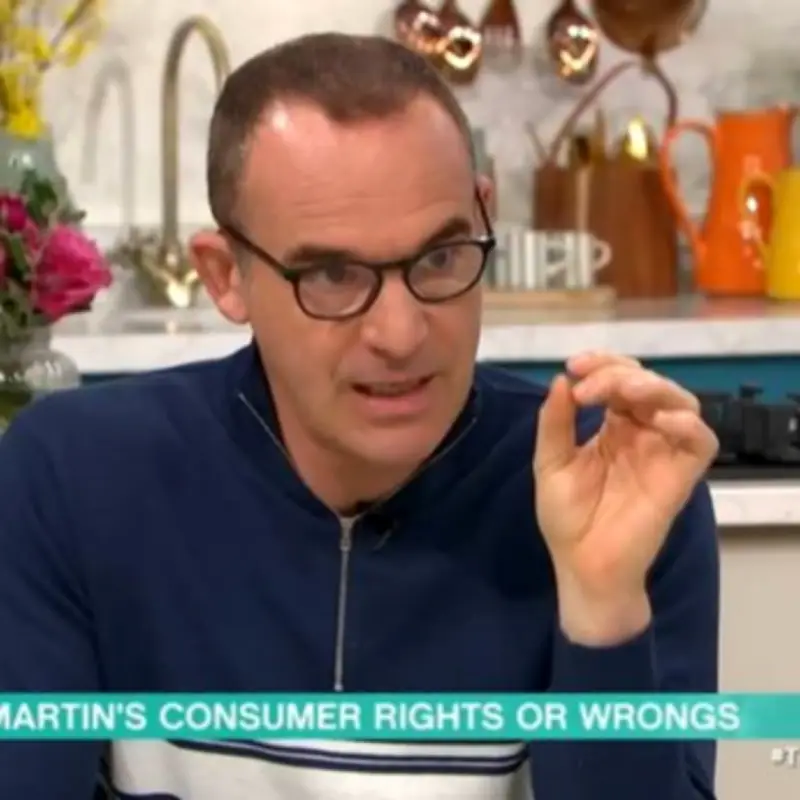
Martin Lewis, founder of Money Saving Expert, is urging UK households to take a photograph of their energy meters before July 1, as the Ofgem energy price cap is set to rise. This increase means that households on standard variable tariffs will pay more per unit of gas and electricity. Lewis warns that assuming suppliers will automatically know how much energy was used before and after the price change is a common mistake.
Why a Meter Reading Matters
Justin Nielsen, energy consultant at Wolf River Electric, emphasizes that a simple meter reading can prevent billing confusion and reduce the risk of being charged at the wrong rate. He advises: "Take a clear meter reading and keep a photo of it. It takes less than five minutes, but it gives you a record of exactly where your usage stood before the new rates came in. The price cap does not mean your bill is capped; it caps what suppliers can charge per unit and standing charge, so your final bill depends on how much you use."
Lewis has previously recommended households photograph their meters as part of "Meter Reading Day." He stated: "Get your phone out and take a picture of your meter today just in case of a future dispute. You don't need to do anything with it, but you might want to email it to yourself for proof." The Money Saving Expert team also advises: "The easiest way is to take a picture of your meters, so you have the readings to hand. Then log in to your online account and enter the readings."
How the Price Cap Change Affects Billing
When the price cap changes, suppliers must split consumption between previous and updated tariffs. For households with working smart meters, this should happen automatically. However, those with conventional meters, faulty smart meters, or accounts relying on estimated readings may need to supply manual readings. Nielsen warns that depending on estimates can cause problems, especially if a household used less energy than usual before July. He explains: "If your supplier does not have an up-to-date reading, they may estimate your usage. That estimate might be reasonable, but it is still a guess. The risk is that some of your cheaper pre-July usage could be pushed into the more expensive period."
He adds: "A photo is useful because it gives you proof. Make sure the numbers are visible, and if your phone records the date automatically, even better. Keep it until your next bill arrives and you are happy the reading has been used properly."
Who Should Take a Reading?
The alert is particularly important for households without a smart meter, those whose smart meter isn't sending readings correctly, or anyone who has received estimated bills. It also applies to those who have recently moved home, changed supplier, modified their direct debit, or experienced inaccurate bills. Nielsen advises: "If your bills consistently show 'estimated', take charge of the reading yourself. Estimated bills can trap people because they often don't realize until weeks later. By that point, it's harder to recall your consumption."
He adds: "This is especially important for households that have cut usage in June. If you've been using less heating, drying clothes outside, or cooking differently, you want that lower usage recorded accurately before higher rates begin."
How to Take a Proper Reading
Households should take readings for both gas and electricity. For a standard meter, write down the numbers from left to right, ignoring red numbers or digits after a decimal point. For digital meters, press the display button until the reading appears. For prepayment meters, check the supplier's instructions. Nielsen advises: "Don't just scribble the number on a piece of paper and lose it. Take a photo, submit the reading through your supplier's app or website, and keep a note of the confirmation. If you cannot access your meter safely, ask your supplier for help."
He recommends taking the reading as close to July 1 as possible but cautions against leaving it until the last moment if the supplier's app or phone lines become overwhelmed. "The best time is usually the evening before or the morning of the change. But if you know you will forget, doing it a day or two earlier is still better than doing nothing."
Smart Meter Households Should Verify
While smart meters are designed to send readings automatically, Nielsen advises households to check their accounts. "Some smart meters lose communication, some accounts don't update properly, and some in-home displays look fine even when the supplier isn't receiving data. If your bill says estimated, your smart meter isn't doing the job you think it is."
He also urges families to use the price cap adjustment as an opportunity to review their tariff, direct debit, and energy habits. "Check whether you are on a fixed deal or variable tariff, look at your standing charge and unit rates, and compare your direct debit against your real usage. Don't cancel a direct debit out of frustration, but challenge it if it looks out of line."
With summer approaching, Nielsen cautions that households could waste money on fans, portable air conditioners, and appliances. "Fridges and freezers work harder in warm kitchens, fans get left on in empty rooms, and portable air conditioners can be expensive if used badly. A fan should cool you, not an empty room. With portable air conditioning, keep doors closed, seal the window properly, and don't set the temperature unrealistically low."
He concludes: "Think of it like taking a photo of your mileage before selling a car. You are creating a record that protects you if something doesn't add up later. The most expensive energy mistake is often the one you don't notice straight away. A bad estimate, a faulty smart reading, or an unchecked tariff can quietly cost you over time. My advice is simple: take the reading, submit it, photograph it, and check your next bill. If the reading hasn't been used, query it straight away. People can't control global energy prices, but they can control whether their own account is accurate."




