
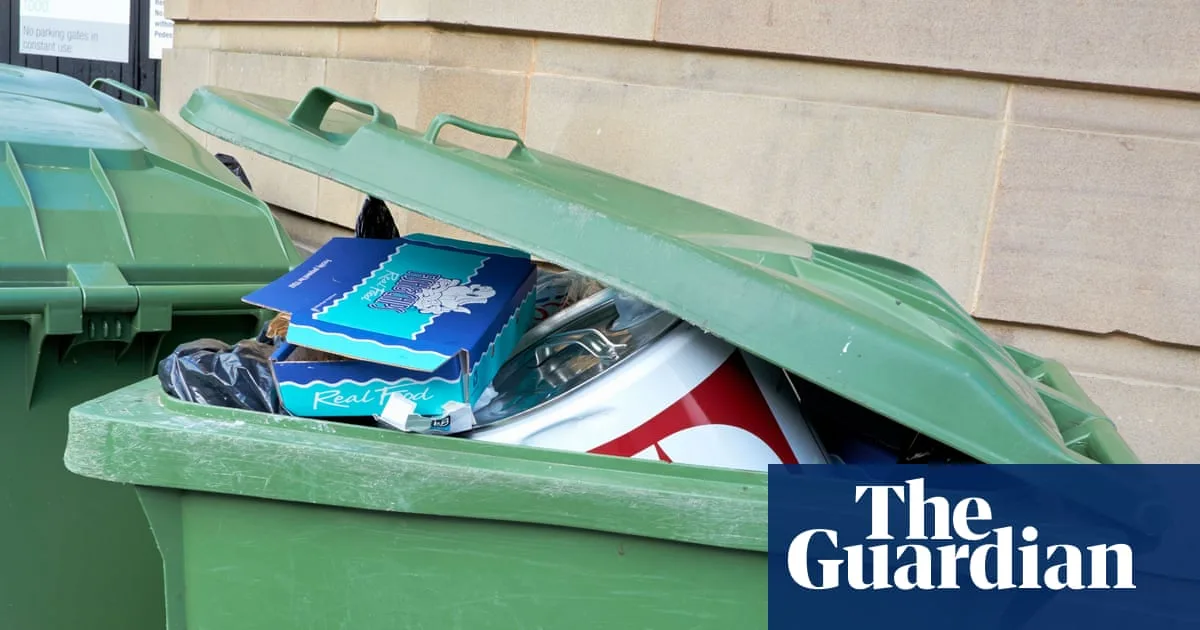
From Tuesday, new government legislation known as Simpler Recycling will come into effect across England, aiming to standardise recycling collections and expand food waste recycling. The reforms are designed to tackle stagnating recycling rates, which have remained around 44% for several years.
Under the new rules, households will no longer be able to recycle certain food items, including leftover meals, fruit and vegetable peelings, and other organic waste. Instead, these items must be placed in separate food waste bins, which will be collected weekly by local councils. The government hopes this will reduce contamination in recycling streams and increase the amount of waste that is properly processed.
Local authorities across England will be required to provide separate food waste collections to all households, a service that many areas currently lack. The legislation also mandates that all councils collect the same core set of recyclable materials, including paper, cardboard, plastics, metals, and glass, to end the postcode lottery of recycling rules.
Critics have raised concerns about the cost and logistics of implementing the new system, particularly for smaller councils and rural areas. However, the government insists that the long-term environmental benefits, including reduced landfill use and lower greenhouse gas emissions, will outweigh the initial expenses.
Households are advised to check with their local council for specific guidance on how to separate food waste and what items are now excluded from general recycling bins. The changes are part of a broader effort to move towards a circular economy and meet the UK's net-zero emissions target by 2050.




