
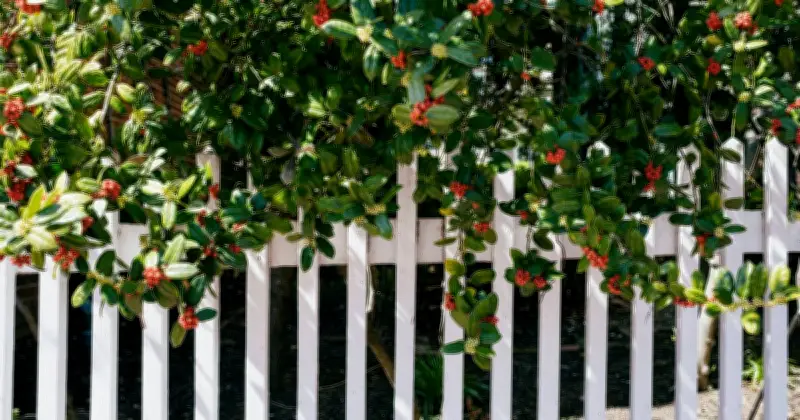
More than half of Britons have experienced neighbour disputes over trees, with 30% citing overhanging branches as the main issue, according to a survey by Saga Home Insurance. Anna Thunstrom, head of home insurance at Saga, has outlined the legal rights and options for homeowners and tenants facing such conflicts.
Legal Risks of Unauthorised Tree Removal
Thunstrom warned: "Illegally cutting down a neighbour's tree could cost homeowners far more than they expect - from fines of up to £20,000 for protected trees, to civil compensation claims, legal fees, and replacement costs that can run into the thousands. In the most serious cases, unlawful tree removal can even result in criminal charges."
Common Issues Reported
The survey revealed that 28% of respondents reported difficulties with leaves blowing or falling into their garden, while 15% encountered problems with a neighbour's tree roots. Just over one in 10 people stated that their own trees had been damaged by a neighbour.
What to Do If a Neighbour's Tree Hangs Into Your Garden
If a neighbour's trees affect your property, such as blocking natural light, there is little legal recourse. Thunstrom advised: "In these situations, it's best to speak to your neighbour directly and attempt to come to a reasonable solution or compromise. Going into these situations with kindness can make a world of difference and make your neighbour more receptive to helping you out."
If an agreement cannot be reached, you can ask your local council to help find a mediator, though you may need to pay for their time.
Can You Cut Branches and Roots?
You must avoid stepping onto your neighbour's property to sort out the matter yourself, as this can lead to criminal proceedings. However, if branches overhang your boundary, you are within your rights to cut them back at the boundary line, provided you do not trespass.
Thunstrom explained: "If overhanging branches from your neighbour's trees are blocking sunlight or causing issues in your garden, the law allows you to cut these branches at the point where they cross the boundary line into your property, provided you don't trespass onto your neighbour's land to access them." She added: "Before doing this, you should speak to your neighbour and see if you can come to an agreement."
After cutting branches, do not throw them away: the branches still belong to the tree's owner. It is your responsibility to dispose of them, but check with the owner first. The same rules apply to roots: you may cut roots up to the property line if they cause issues.




