
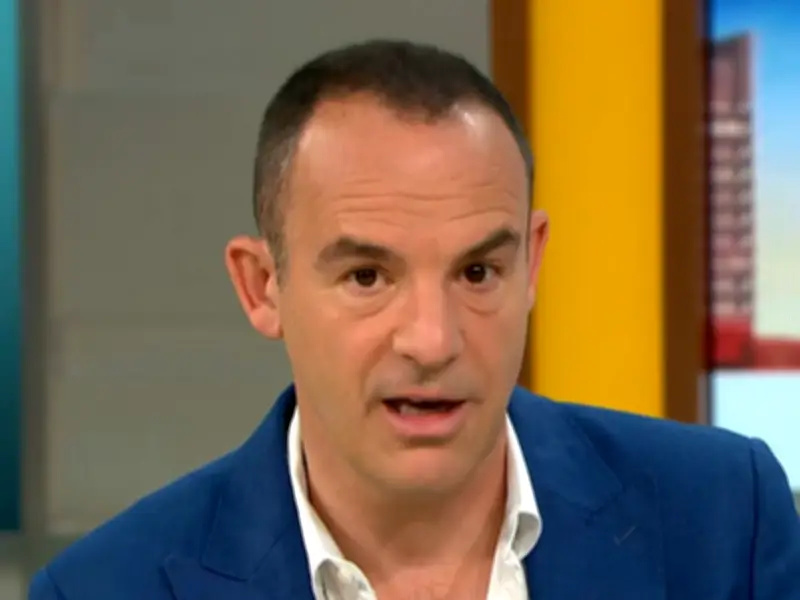
Martin Lewis has clarified key rules about how the state pension is taxed, warning that misunderstanding could lead to an unexpected bill from HMRC. Speaking on his BBC podcast, the consumer expert urged people to understand the rules before the taxman comes knocking.
State pension is taxable but not automatically taxed
Lewis emphasised that the state pension is subject to income tax, but stressed an important distinction: "Now, when something is taxable, it doesn't mean it's automatically taxed. It means it counts towards your tax thresholds." This means the pension payment itself is not taxed at source; instead, it is added to your other income to determine if you exceed the personal allowance.
The personal allowance is currently frozen at £12,570 per year. Lewis explained: "You can earn £12,570 a year, most people, without paying any tax on it. So if you only had the full new state pension at the moment, you wouldn't pay any tax on it." However, if you have any other taxable income—such as from a part-time job, a private pension, or savings interest—you may breach the limit. He added: "But if you had any other taxable income, say from working or private pensions...then in total, anything above the threshold would be taxed."
How state pension entitlement is built up
Lewis also busted a common myth about how the state pension is accrued. Many people believe their National Insurance contributions are stored in a personal pot, but Lewis clarified: "You're not building up a pot of money for it. What happens with the state pension is every year that you work and earn over a certain amount, or if you have childcare responsibilities, or if you're on certain benefits, you get a National Insurance credit." He compared these credits to "tokens" that go into your "National Insurance piggy bank."
To receive any state pension, you need at least 10 years of contributions. For the full amount, you generally need 35 years, but Lewis described this as a "rough" estimate and "an idea rather than a fixed rule." He recommended using the official forecast tool on the Government website to check your exact entitlement.
State pension alone is not enough
Lewis delivered a sobering reality check: even the full state pension of around £12,500 a year is insufficient for most people. He said: "Even so, £12,500 a year does not, for most people, fulfil the requirement of what they will need to live in retirement. Because most people would want roughly around two-thirds of what they were getting when they were working when they retire, and £12,500 isn't that."
His final advice was to start saving early and not rely solely on the state pension. He urged workers to consider private or workplace pensions, stating: "And the rule with those is the earlier you start, the better."




