
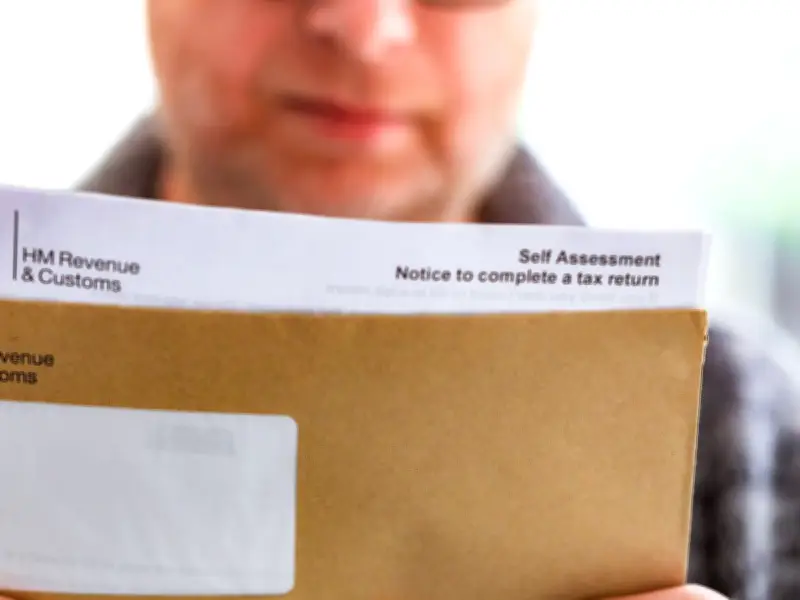
More than 580,000 individuals and landlords in the UK have not yet registered for HMRC's Making Tax Digital (MTD) for Income Tax, according to a Freedom of Information request by accountancy group Azets. The new system, which replaces annual self-assessment with quarterly digital submissions, has a key deadline of August 7, 2026.
Registration Shortfall Revealed
HMRC data shows that 864,000 people were required to register for MTD by April 6, 2026. However, as of May 20, only 282,637 had done so, leaving 581,363 yet to sign up. An updated HMRC statement expects more registrations before the August 7 deadline.
Fraser Campbell, UK head of accounts and business advisory at Azets, said: “MTD for Income Tax represents the most significant change in the personal tax system in nearly 30 years – but two-thirds of those who should be registered aren’t.”
Why Many Haven't Registered
Campbell cited lack of awareness, forgetfulness, or denial as reasons for non-compliance. He warned that delaying registration could lead to stress, trouble, and potential fines. While HMRC has said no penalties for missing quarterly returns this year, Campbell noted that late registrants may face a backlog of filings.
“HMRC requires an end-of-tax-year declaration, which requires the data from the four quarters to be aggregated. By not registering now, anyone in scope will need to catch up with this year's four filings at the same time as next year’s quarterly filings and their annual declaration – potentially nine returns over 12 months,” he said.
HMRC's Response
An HMRC spokesperson said: “Thousands of customers are signing up for Making Tax Digital every week, in line with our expectations, and we expect further increases ahead of the August 7 deadline. We’ve written to millions of customers and delivered hundreds of events and webinars.”
How Making Tax Digital Works
Introduced in April 2026, MTD brings the personal tax system closer to real-time. It requires digital record-keeping and quarterly submissions for landlords, sole traders, and the self-employed with income over £50,000. The threshold will drop to £30,000 in 2027 and £20,000 in 2028, affecting up to 2.9 million people by 2028.
Taxpayers must use HMRC-approved software and can no longer file via the self-assessment portal. The final declaration replaces the annual tax return.
Advice for Affected Taxpayers
Azets recommends that those with gross income above £50,000 register immediately. Those with income between £30,000 and £50,000 should prepare for 2027, and those with £20,000 to £30,000 for 2028. Taxpayers should check if they are exempt on the HMRC website or seek expert advice.
Campbell concluded: “Preparation, planning and taking advice at the right time are key for compliance and staying on top of the UK’s ever-evolving tax landscape.”




