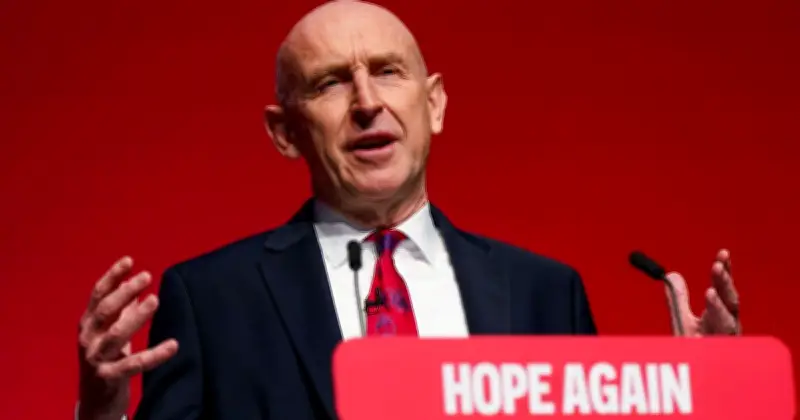
Electric car owners face a new mileage-based tax from April 2028, with the Chancellor overseeing plans expected to affect millions of motorists. Drivers face a new 3p-per-mile car tax under government plans to charge electric vehicle owners according to how far they travel, with Chancellor John Healey now overseeing the changes originally announced under his predecessor Rachel Reeves.
New tax details and rates
The Electric Vehicle Excise Duty (eVED) is scheduled to come into force on April 1, 2028, and will see fully electric car owners pay 3p for every mile driven. Drivers of plug-in hybrid cars will face a reduced rate of 1.5p per mile.
The scheme was announced in the Autumn Budget in 2025 as ministers look to address falling fuel duty revenues as more motorists switch from petrol and diesel cars to electric alternatives. Under the plans, the mileage-based charge will be added to existing Vehicle Excise Duty (VED), commonly known as road tax.
Impact on motorists
The new charge could add hundreds of pounds to annual motoring costs, depending on how far drivers travel. A motorist driving 10,000 miles a year in a fully electric car would pay an estimated £300 annually through eVED. Someone covering the same distance in a plug-in hybrid would pay £150.
A 3p per mile charge could see drivers paying an extra £3 to travel one-way between Cambridge and Oxford or up to £12 more to go between London and Edinburgh. The proposal is part of a broader effort to address the billions of pounds in tax revenue lost as more motorists switch from petrol and diesel vehicles to electric alternatives.
Revenue concerns and future outlook
The Treasury said that the shift towards electric vehicles will gradually reduce the amount of money raised through fuel duty, which is paid by motorists when buying petrol and diesel. Unlike drivers of conventional petrol and diesel cars, electric vehicle owners do not pay fuel duty on the electricity used to charge their vehicles.
The Government says the new system is designed to help make motoring taxation sustainable over the longer term, while keeping the per-mile rate for fully electric cars below the average fuel duty paid by petrol and diesel motorists. However, the policy could prove controversial among drivers who switched to electric vehicles partly to reduce their running costs.
Industry figures have long debated road pricing reforms as electric vehicle adoption increases. Fuel duty, which has remained frozen for over a decade, remains one of the Treasury’s most significant sources of income.
By 2040, officials estimate that declining petrol and diesel use could cost the Exchequer £12 billion annually in lost revenue. While the new tax could help stabilise public finances, it risks dampening enthusiasm for electric vehicles, especially as motorists already face higher purchase prices and concerns about charging infrastructure.
The Treasury has not commented on the Budget speculation, but with the announcement due on October 28, all eyes will be on how the government balances environmental goals with fiscal realities. However, the updates may not end there, with suggestions that this could be part of a wider package of measures to support the EV sector is also set to be adopted as part of a drive to encourage people to switch to electric models.