
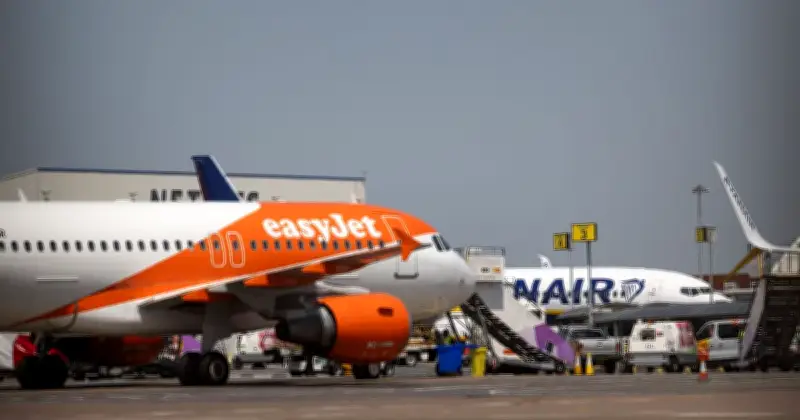
Airlines operating out of the UK are set to enforce stricter boarding pass systems and tighter check-in rules as passenger numbers are expected to rise over the summer holidays. The drive to reduce congestion at airports, an industry-wide push to go paperless, and a shift toward mobile-first travel ecosystems have all contributed to these stricter rules.
App-Based Boarding Passes Prioritised
Passengers may see airlines prioritising app-based boarding passes to speed up activities at security and boarding gates over the summer break. There may also be less acceptance of printed documents on certain routes, according to Travel and Tour World.
EasyJet's Policy
EasyJet uses mobile boarding passes as the primary travel option, allowing passengers to store flight details securely on their smartphones. However, certain airports do not support mobile boarding passes, requiring passengers to print physical copies after completing online check-in. This is common at some airports in North Africa, the Middle East, and parts of Southern Europe.
Ryanair's Fully Digital Model
The ultra-budget carrier Ryanair has moved to a fully digital boarding model. Boarding passes can be generated through the mobile application once check-in is completed. These passes are then used at security points and boarding gates.
Jet2's Flexible Approach
Jet2 accepts both digital and printed boarding passes across its network. Online check-in opens 28 days before departure, giving passengers ample time to prepare.
TUI Airways Policy
TUI Airways also accepts both digital and printed boarding passes across its network. Online check-in opens 48 hours before departure. Printed copies must be on clean A4-size paper.
British Airways and Wizz Air
British Airways accepts digital or printed boarding passes. A digital copy can be stored offline and is compatible with smartwatch integration. Wizz Air widely uses mobile boarding passes, but check-in windows are tightly controlled; online check-in generally closes about three hours before departure.




