
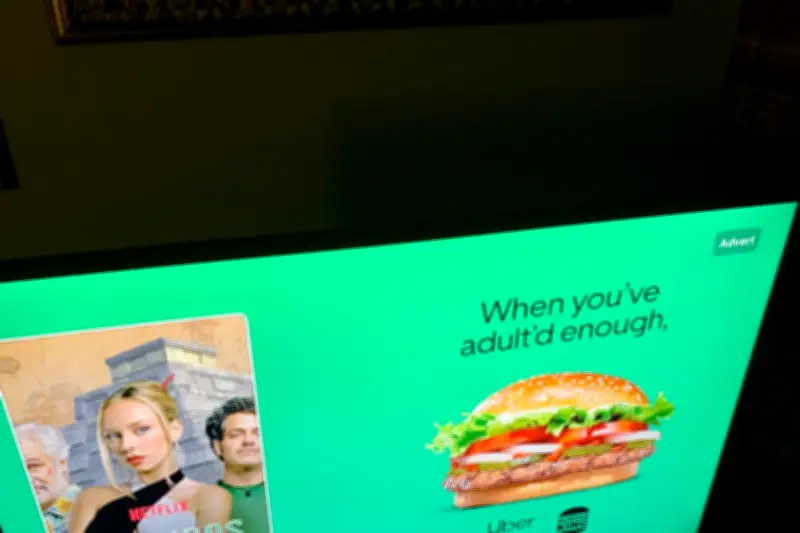
The Advertising Standards Authority (ASA) has cleared advertisements for Domino's, Papa John's, KFC, and Burger King under new junk food advertising rules that took effect at the beginning of this year. The rules ban ads for identifiable less healthy food products from appearing on TV or on-demand services between 5.30am and 9pm, or in paid online media at any time. They are designed to reduce children's exposure to ads for less healthy food products and were introduced by the government as part of its wider public health strategy.
ASA's Rationale for Clearing Ads
The ASA acknowledged that “specific products that people understandably assume are less healthy are not in fact classified as less healthy under the Government’s Nutrient Profile Model.” The new ban applies to products in 13 categories considered significant in childhood obesity, including soft drinks, chocolates, sweets, pizzas, ice creams, breakfast cereals, porridges, sweetened bread products, and main meals and sandwiches. Products in these categories are assessed using a scoring tool based on nutrient levels and whether they are high in saturated fat, salt, or sugar. Only products meeting both criteria are restricted.
Details of Cleared Advertisements
The ASA cleared two ads for Domino's “Vegi Supreme” pizza, finding it did not fall within the classification of a less healthy product and was visually different from less healthy pizzas sold by the brand. A TV, video on demand, and three social media ads for KFC were also cleared because the featured burgers, chicken pieces, and soft drinks were either not classified as “less healthy” or were visually different from specific less healthy menu items. Similarly, a Facebook ad for Papa John's showing a promotional offer and an image of a vegetable pizza was cleared because the product was not classified as “less healthy” and was visually different from less healthy pizzas. A video on demand ad for Uber Eats featuring a Burger King Whopper was cleared because the burger was not classified as “less healthy” and was visually different from other less healthy Burger King products.
Banned Advertisements
However, a paid-for Instagram ad for Morley's Woking promoting two meal deals featuring burgers, wings, nuggets, fries, and drinks was banned because it “clearly identified multiple specific products that were classified as less healthy.” A paid-for Instagram ad for M&M's featuring two cartoon-style M&M's was also banned because the oval yellow character depicted a specific “less healthy” product – peanut M&M's – rather than just the brand.
ASA Chief Executive's Comments
ASA chief executive Guy Parker said: “Our job is to apply the new LHF (less healthy food) rules, which mirror the law, accurately, fairly and consistently. Today's rulings provide clarity on how the ‘brand exemption’ aspect of the rules applies in practice. They also show that less healthy products can be hard to spot. Some specific products that people understandably assume are less healthy are not in fact classified as less healthy under the Government's Nutrient Profile Model. That might sometimes be because food businesses have reformulated them to bring them below the less healthy threshold. It's worth mentioning that Government has been clear that it wants the restrictions to incentivise food businesses to do exactly that: reformulate their products so they are no longer classified as less healthy.”




