
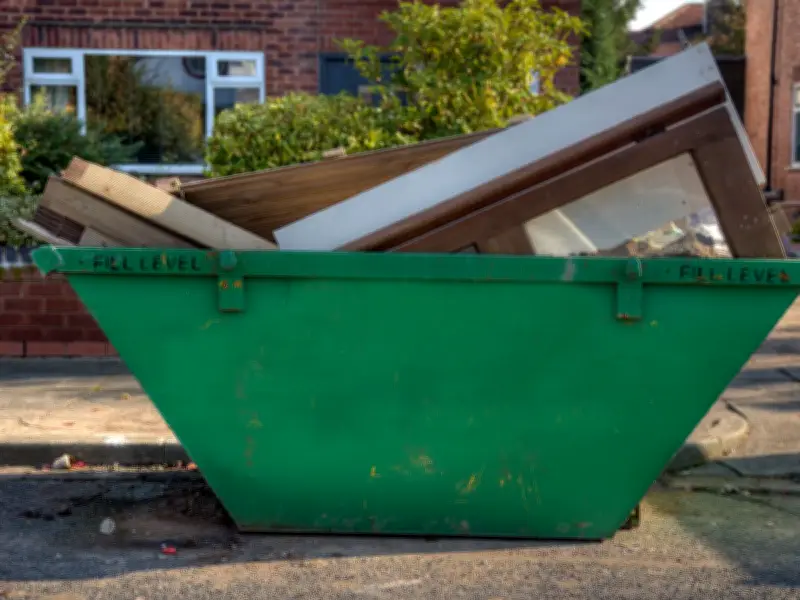
Households hiring skips are being warned that putting the wrong items inside could lead to fines of up to £400. Many people assume that once a skip is delivered, they can throw away almost anything. But waste experts say several common household items are banned from standard skips and disposing of them incorrectly can result in penalties, collection refusals, or additional charges.
Common Banned Items
According to James Ward from Wheeldon Brothers, one of the biggest mistakes people make is treating skips like a “catch-all” for every type of waste. “People often think a skip means they can get rid of absolutely anything from the house or garage, but that is not the case,” he said. “There are strict rules around certain types of waste because some materials can be dangerous, environmentally harmful, or difficult to process safely.”
Items commonly banned from skips include: tyres, paint tins with leftover paint, asbestos, fridges and freezers, batteries, gas cylinders, electrical appliances, medical waste, and fluorescent light tubes.
Fire Risks and Penalties
James said batteries and electrical items are among the most commonly spotted banned materials. “These items can become a fire risk if damaged or crushed during transport,” he said. “Even something as small as a lithium battery can cause serious problems when mixed in with general waste.”
Local councils can issue fines for fly-tipping or improper waste disposal, while skip companies may also refuse collection if prohibited items are discovered inside. In some cases, households can face extra charges to remove banned materials safely before the skip is taken away.
Expert Advice
James said people should always check with the skip provider before throwing these items away. “If you are unsure about throwing away an item, ask first,” he said. “It is much easier to check beforehand than deal with extra faff or penalties later.”
He also warned homeowners against overfilling skips, which can create safety hazards on roads when the waste is transported. “A skip should never be filled above the marked line,” James said. “If materials are sticking out over the top, the driver may legally be unable to collect it until some of the waste has been removed.”
Seasonal Demand
Experts say demand for skips typically rises during spring and summer as more households take on DIY projects, garden renovations, and home clearances.




