
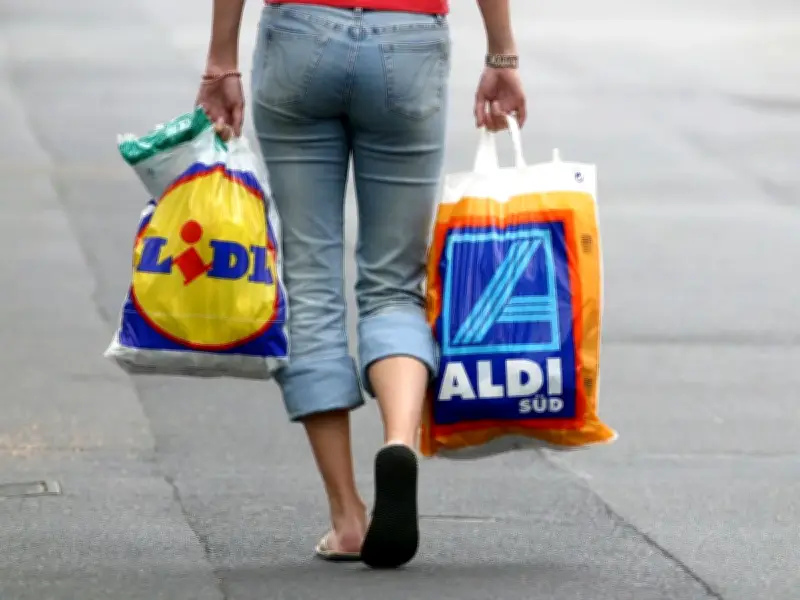
Aldi and Lidl have been placed on equal footing with larger competitors under a new ruling issued by the UK Government on October 22. The decision extends the Groceries Market Investigation (Controlled Land) Order, in place since 2010, to include the discounters, meaning they are now prevented from blocking rival supermarkets from opening close to their stores.
The order, which previously applied to Asda, Tesco and Morrisons, ensures supermarkets can compete freely and that shoppers have more choice on where to buy and pay for their groceries. It does so by stopping Large Grocery Retailers (LGRs) from using restrictive covenants and exclusivity arrangements to block other chains from opening nearby.
Consultation and Support
The inclusion of Aldi and Lidl comes after a consultation to include the budget supermarkets was launched in August 2026. Proposals were supported by rivals including Morrisons, Waitrose and Iceland, with all submitting their own views. Aldi and Lidl GB and Lidl NI did not submit a representative to the Competition and Markets Authority (CMA) following the announcement.
Once a retailer is designated, it cannot include any prohibited restrictions in new agreements – and existing agreements can be reviewed by the CMA, on the request of interested landowners, developers, and rival supermarkets.
Leveling the Playing Field
Juliette Enser, Executive Director for Competition Enforcement and Markets at the CMA, said: "We put in place rules to stop big supermarket chains from blocking rival stores opening in their area, and now those rules apply to Aldi and Lidl. This will help level the playing field and make sure shoppers get the best choice of products and prices in their area."
Aldi and Lidl were initially exempt from the same ruling as larger supermarkets in 2010 due to the Competition Commission’s deeming their product ranges as "limited". At the time both retailers only operated with around 1,000 products, while larger stores offered between 5,000 and 10,000.
Rapid Expansion and Market Impact
However, the updated ruling comes following rapid expansion from both of the discounters that are now among the biggest supermarkets in the country. This means that the CMA has found that they no longer class as a limited assortment discounter (LAD). The CMA wrote in its final decisions report: "Our final decision, based on the evidence gathered, is that Aldi, Lidl GB and Lidl NI are no longer LADs for the purposes of the Order. Although each retailer continues to sell groceries at a low price, we consider that they no longer sell a significantly more limited range of groceries than LGRs."
The watchdog added that the gap between Aldi, Lidl and the larger retailers had "narrowed" since the CC's initial market research 16 years ago. A broader coverage of goods and large customer base "exerts a material competitive constraint on LGRs." According to the CMA's figures, the UK food and grocery market is worth an estimated £222.7 billion, with Aldi and Lidl now ranking among the 'top five' by market share.
In 2022, Aldi's rapid expansion across Great Britain saw it become the fourth largest supermarket, shaking up the traditional 'big four' ranking by overtaking Morrisons that has since slid to sixth after Lidl climbed to fifth place this year. Aldi and Lidl have been opening new stores across the country in a bid to meet the demand for low cost groceries amidst the soaring cost of living, with both chains now operating over 1,000 stores in the UK alone, with plans to expand even further.




