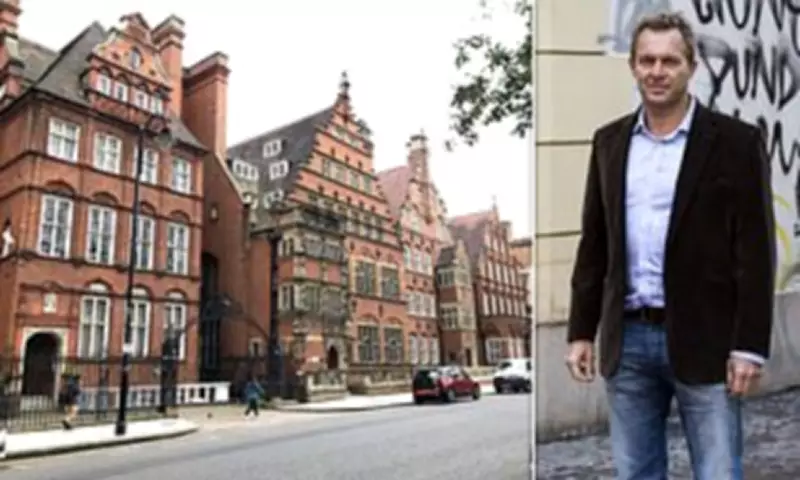
Property Tycoon Engaged in Bitter Planning Battle Over Gilbert's Historic Home
Private equity magnate James Woolf is embroiled in a protracted and acrimonious planning conflict with Kensington and Chelsea Council regarding his ambitious proposal to convert the grand former residence of famed dramatist W.S. Gilbert into an expansive family mega-mansion. Woolf acquired the illustrious 1880 property, located in affluent South Kensington, for £7.1 million in 2023, with the vision of modernising the historic dwelling for his multigenerational family through a comprehensive £6 million restoration project.
Council Rejects Renovation Plans Citing Heritage Concerns
The council has consistently rejected Woolf's plans, which include installing a lift, creating a basement bar and wine cellar, reconfiguring upper floors for a master bedroom, adding en-suite bathrooms, and incorporating underfloor heating and air conditioning. Officials argue that these alterations would detrimentally impact the heritage of the Grade II-listed building, a structure long regarded as one of London's architectural treasures. Since its purchase, the 12,000 sq ft Flemish-style house has remained vacant, as the dispute drags on, leaving Woolf and his family in a state of uncertainty regarding their potential move-in date.
Woolf's Experience with Heritage Projects Across Europe
Woolf, a father-of-five whose company, FlowEast, specialises in high-end restorations of historic buildings in Italy and the Czech Republic, expressed frustration with the council's approach. He described encountering a 'computer says no' attitude from officials, contrasting it with his positive experiences abroad, where he claims heritage authorities are more collaborative and focused on making buildings functional rather than preserving them as unused relics. Woolf emphasised his expertise, noting ownership of properties dating back to the 15th century in the Czech Republic and a 10th-century castle in Tuscany, visited by Michelangelo.

Historical Significance of the Property
The property holds significant historical value, having been built by Gilbert with profits from the 1881 comic opera Patience, created with Arthur Sullivan. Gilbert resided there until 1889, completing libretti for renowned works such as The Mikado, The Yeomen of the Guard, and The Gondoliers. The house retains much of its original splendour, including Gilbert's quirky quotations stencilled above doorways and his initials incorporated into features like an ornate chimney piece. Previously used as corporate offices, Woolf aims to restore it to residential use, arguing this is crucial for its preservation.
Planning Inspectorate's Ruling and Ongoing Appeals
After council refusals, Woolf appealed to the independent Planning Inspectorate, where inspector Fiona Cullen ruled against the plans. She concluded that the proposed changes, particularly the open-plan basement design, would cause a 'considerable loss of historic fabric' and 'fundamentally disrupt the historic architectural, social and functional hierarchy' of the building. While acknowledging some heritage benefits, such as repairs to original wallpaper and floorboards, Cullen deemed these outweighed by the scale of the proposal. Subsequent applications have seen mixed outcomes, with some approved piecemeal and others refused, leading to ongoing appeals.
Woolf's Criticism and Impact on Future Investments
Woolf has criticised council officials as 'aggressive, obtuse, dismissive' and unwilling to compromise, accusing them of indifference towards the building's future. He lamented the standstill, noting that 12,000 sq ft of residential space remains unused in London, potentially freeing up other housing through a chain effect. This experience has deterred him from further investments in listed properties in the UK, describing the planning process as 'Kafkaesque bureaucracy' and a 'masterclass in administrative bad faith' that surpasses inefficiencies he has encountered in Europe.

Council's Response and Future Prospects
A Kensington and Chelsea Council spokesperson stated that decisions are made fairly and consistently based on legislation and planning policies, balancing usability with heritage preservation. They emphasised the property's national importance as a Grade II-listed building and offered pre-application advice to address concerns raised by both the Planning Inspectorate and the local authority. The dispute highlights broader challenges in adapting historic properties for modern use while safeguarding cultural heritage, with implications for residential development in the UK.