Trump Tower Apartment Labelled 'Particularly Poor Investment' in High-Value Legal Claim
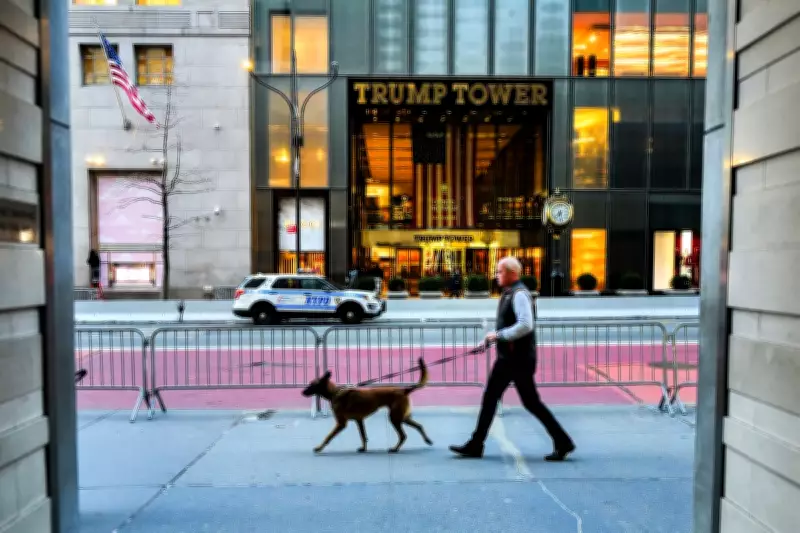
A $2.6 million apartment in the iconic Trump Tower has been described as a "particularly poor investment decision" in a multimillion-dollar lawsuit filed by Monaco-based financier Riccardo Grande Stevens. The legal action targets real estate advisor Richard Tayar, who allegedly recommended the purchase that has since shed nearly half its value over the past decade.
The Controversial Purchase and Alleged Mismanagement
According to court documents obtained exclusively by The Independent, Stevens purchased the 47th-floor unit in November 2015, exactly six months after Donald Trump descended the building's famous golden escalator to announce his presidential candidacy. The complaint, filed in Manhattan County Supreme Court, identifies this acquisition among approximately 40 investment properties Stevens acquired under Tayar's guidance.
The lawsuit contends that Stevens relied on Tayar's expertise, believing he was investing in properties sold below market value that would appreciate over time and generate rental income. "Sadly, it has since come to light that this was not the case," the complaint states, alleging Tayar knowingly steered Stevens into fundamentally unsound deals.

Plummeting Values in Trump-Branded Properties
Market data supports Stevens' claims of significant depreciation. A New York Times study revealed that prices in Trump-branded buildings dropped by nearly 25 percent between 2013 and 2023. Trump Tower apartments performed worst of all, with CityRealty reporting the average price per square foot collapsing by nearly 50 percent during that same period.
Real estate economist Stijn Van Nieuwerburgh noted that removing the Trump name from a building "removes the loss associated" with it, though Eric Trump previously denied these reports and questioned the figures presented.
Financial Details of the Alleged Fraud
The complaint provides specific financial allegations:
- The Trump Tower apartment, purchased for $2,650,000, is now worth approximately $1.6 million - a loss of about 40 percent
- Stevens paid Tayar $104,000 annually in property management fees
- Tayar allegedly moved into the Trump Tower apartment himself without paying rent
- 28 of Stevens' units had liens for unpaid common charges, with some delinquencies dating to 2022
- Two units were in active foreclosure proceedings
The complaint alleges that Tayar provided "inaccurate and fraudulent reports" showing profitability while required expenses went unpaid. Stevens discovered the issues after receiving a 90-day notice about unpaid common charges threatening foreclosure last October.
Background of the Parties Involved
Riccardo Grande Stevens, 65, is an Italian national and son of the late Franzo Grande Stevens, who served as personal attorney to legendary industrialist Gianni Agnelli. A financier and avid footwear collector with over 700 pairs of shoes, Stevens maintains residences in Monaco.
Richard Tayar, a 45-year-old licensed real estate agent originally from Florence, Italy, operates Columbus International brokerage in New York City. His firm promises "white-glove" service and "precision, discretion and tailor-made attention" according to the complaint.
Financial Losses and Legal Claims
The lawsuit outlines substantial financial damages:
- Unpaid common charges, taxes, and lost rental income totaling at least $2 million
- Total estimated losses of no less than $3 million
- Had properties been properly managed, Stevens would have realized $1,322,507.44 in profits
- Instead, the account balance stood at just $608,334.96 as of October 2025
Stevens is seeking recovery of his losses plus pre-judgment and post-judgment interest, attorneys' fees, and court costs. His legal representatives, Adam Leitman Bailey and Danny Ramrattan, have declined to comment on the ongoing litigation. Tayar did not respond to requests for comment regarding the allegations.

The case highlights the risks of high-value real estate investments and raises questions about advisor accountability in property portfolio management, particularly concerning properties associated with politically controversial figures.