

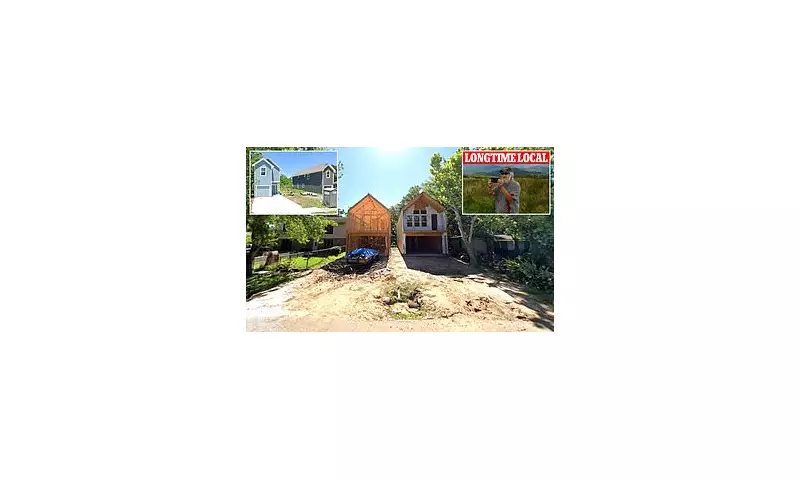
Residents of a historic Mexican-American neighbourhood in Houston, Texas, are mounting a fierce defence against property developers aiming to replace traditional single-family homes with modern townhouses and condominiums. The community in Denver Harbour is leveraging a little-known, decades-old city ordinance to halt what they see as the encroachment of soulless, cookie-cutter rental properties that threaten their way of life.
The Heart of the Community at Stake
At the centre of the battle is Delphina Torres, 59, who has lived in the same house since she was five years old. Her home, with its porch for cracking pecans and a productive backyard vegetable garden, represents the tight-knit, communal spirit she fears is disappearing. She describes neighbours who are always outside chatting and frequent block parties—a stark contrast, she says, to the newer townhouse residents who keep to themselves. "I just want to keep it the way it's been here all my life," Torres told the Daily Mail.
With Houston notably lacking citywide zoning laws—allowing broad construction freedom—residents have turned to Chapter 42 of the Houston Municipal Code as their last line of defence. This provision, established in the 1980s, allows neighbourhoods to file petitions to block developers from subdividing lots for high-density projects.

Wielding Chapter 42 as a Protective Shield
Leading the charge is Rene Porras, 75, of the group Denver Harbor Cares. He estimates that over the last nine years, they have protected around 2,000 homes using this legal tool. "This city is pretty much operated by developers and investors," Porras claimed. "They want to make a trillion dollars and run everybody out of here. They hate what we're doing with Chapter 42. We’ve probably cost them millions and millions of dollars."
The strategy involves two types of petitions:
- Block Petitions: These protect one side of a city block, requiring a simple majority (51%) of homeowners on that block to vote in favour.
- Area Petitions: These preserve the character of a larger neighbourhood section, covering up to 500 lots and requiring a 55% affirmative vote.
Once approved by the city, these petitions prevent lot subdivision or multi-unit construction in the protected area for 40 years, mandating that any new builds remain strictly single-family homes.
A Fight Against Gentrification and for Legacy
For Porras, the fight is personal and preventative. He fears Denver Harbor will follow the path of the nearby Second Ward, ranked the third most gentrified area in the US in a 2018 study. "That was a Hispanic neighbourhood. There's nothing but condominiums and townhouses now, and you don't even see Hispanic people there anymore. That's what we're trying to prevent here," he explained.
Torres notes the process is challenging, as convincing every neighbour to sign can be difficult due to mistrust or misunderstanding. Furthermore, Porras alleges the city administration is unsupportive, as it stands to gain more property tax revenue from subdivided, high-density lots.
However, some local council members have expressed support. A representative for Council Member Tarsha Jackson, whose district includes parts of Denver Harbor, denied rumours of plans to eliminate Chapter 42. Council Member Mario Castillo also stated he is "a big supporter of Chapter 42."
Torres remains focused on the future, particularly for the neighbourhood's many seniors. She aims to convince them that preserving the community's character is a legacy worth leaving. "The people that have worked all their lives...and bought their house for like $20,000 back in the seventies and work hard to maintain it - I sure don't want that to be changed," she said, determined to ensure the next generation inherits the Denver Harbor she has always known.






