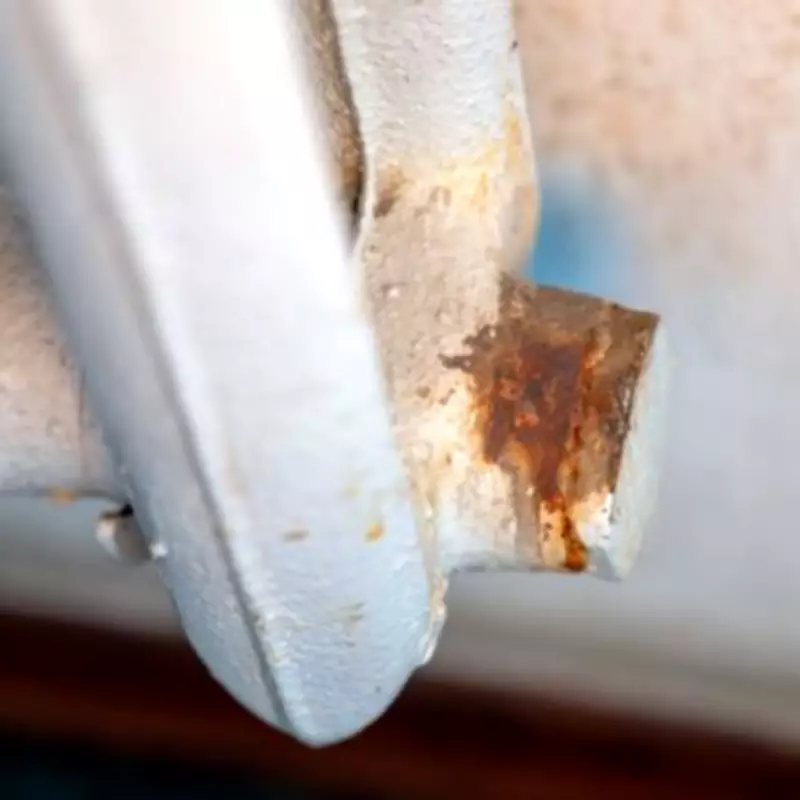
Rust can be a frequent and unsightly issue on bathroom radiators, but fortunately, it is possible to remove it swiftly using just one basic cleaning product and a little elbow grease.
Why Bathroom Radiators Rust
Your bathroom is one of the most humid areas in your home, so over time, it is no surprise that rust can develop in unexpected places. The bathroom radiator is a prime example. Persistent moisture and fluctuating temperatures can compromise your radiator, even though chrome radiators are designed to withstand such conditions. Once the protective coating on the radiator deteriorates, rust can take hold.
James Chapman, director at Bella Bathrooms, explained: "Bathroom radiators are typically made out of steel and plated with chrome to help stop them rusting. But with them getting hot and cold, hot and cold, and sitting in a damp atmosphere, after a while the chrome can start to break down slightly and moisture gets underneath. Then the metal underneath rusts, and the rust comes up through the tiny little holes and blooms on the top."

How to Remove Rust Quickly
To tackle this problem, you only need some limescale spray, a stainless steel scourer, and a dose of determination. James advised: "Rust is basically iron oxide and acids will break it down and stop it being rust. So get your scourer and limescale spray, spray the radiator which will start to kill the rust, and then give it a really good scrub."
The rough pad helps in scraping away the rust from the surface, while the acidic cleaning solution works to dissolve it. After you have thoroughly scrubbed the affected area, wipe the radiator clean properly.
Preventing Rust from Returning
James continued: "Once wiped down the rust should be gone and you will be left with tiny little black specks on it, they are the holes in the chrome." However, these holes indicate that the chrome has been damaged, meaning the rust is likely to reappear unless you take one additional step.
James explained: "Because those holes are still there, it will come back. So after that, make sure your radiator is on because it needs to be bone dry, and spray it with clear lacquer spray. That will slow it down, or you can also use a waxy polish just to block off those little holes."
The key to maintaining a rust-free radiator lies in consistent treatment. The moment you notice rust returning, simply repeat the process to keep your bathroom radiator looking pristine and functional.