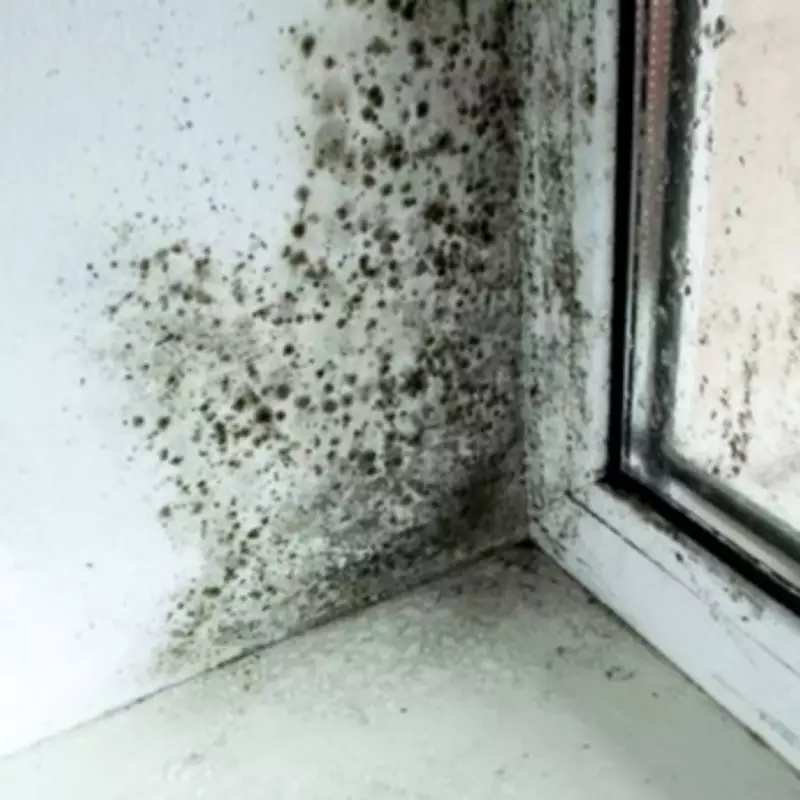
Mould is a pervasive issue in countless households, particularly during the colder months. It thrives in damp environments with fluctuating temperatures, making bathrooms a common hotspot due to condensation from showers on tiles and mirrors. However, mould can also appear around window frames, on walls, or ceilings where moisture accumulates. Addressing mould promptly is essential, as untreated growth can spread rapidly and lead to health problems like allergic reactions, coughing, and chronic respiratory infections.
The Importance of Immediate Action
One of the most effective strategies to combat mould is to clean up condensation as soon as it forms. This includes wiping down showers after use and using tools like window vacuums or squeegees to remove condensation from windows in winter. By preventing moisture buildup, you can stop mould from developing in the first place.
A Game-Changing Hack from Social Media
If mould does appear, a quick and efficient solution has been shared by a cleaning enthusiast on TikTok named Kira. She revealed a hack that uses just two items, one of which is a common kitchen staple: kitchen roll. While many cleaning sprays claim to tackle mould, they often slide down walls or ceilings before they can work effectively.

Kira's method involves spraying the mould-affected area with a cleaning product and then immediately covering it with a piece of kitchen roll. This keeps the spray in place, allowing it to soak in and kill the mould. After 5-10 minutes, simply wipe away the kitchen roll and any lingering mould. For ceilings, she recommends spraying the product onto the kitchen roll first to avoid drips.
Step-by-Step Guide to Mould Removal
1. Protect Yourself
- Wear gloves, goggles, and a mask to avoid inhaling mould spores.
- Ensure the area is well-ventilated by opening windows and doors.
2. Remove the Mould
- Small areas: Mix water and detergent or mild soap. Scrub the surface with a cloth or soft brush, then rinse and dry thoroughly.
- Hard surfaces: Use a solution of 1 part household bleach to 10 parts water. Never mix bleach with ammonia or other cleaners.
- Porous materials: Items like carpet or ceiling tiles may need to be discarded if mouldy, as mould can penetrate deeply.
3. Dry the Area
- Use fans or a dehumidifier to dry the cleaned area completely.
- Fix any leaks or sources of moisture to prevent recurrence.
4. Prevent Future Mould Growth
- Control moisture by fixing leaks and using exhaust fans in bathrooms and kitchens.
- Reduce indoor humidity to below 60%, ideally between 30-50%.
- Dry wet areas within 24-48 hours and consider mould-resistant paint or materials.
5. When to Seek Professional Help
- If mould covers more than 1 square metre.
- If it's caused by contaminated water, such as sewage.
- If you have health concerns or respiratory issues.
Key Takeaways for Long-Term Prevention
Kira emphasises that ventilation is crucial to stopping mould from returning. She suggests opening windows for a few minutes daily to allow air circulation, even in cold weather. By combining this hack with regular maintenance, you can keep your home mould-free and healthy.