

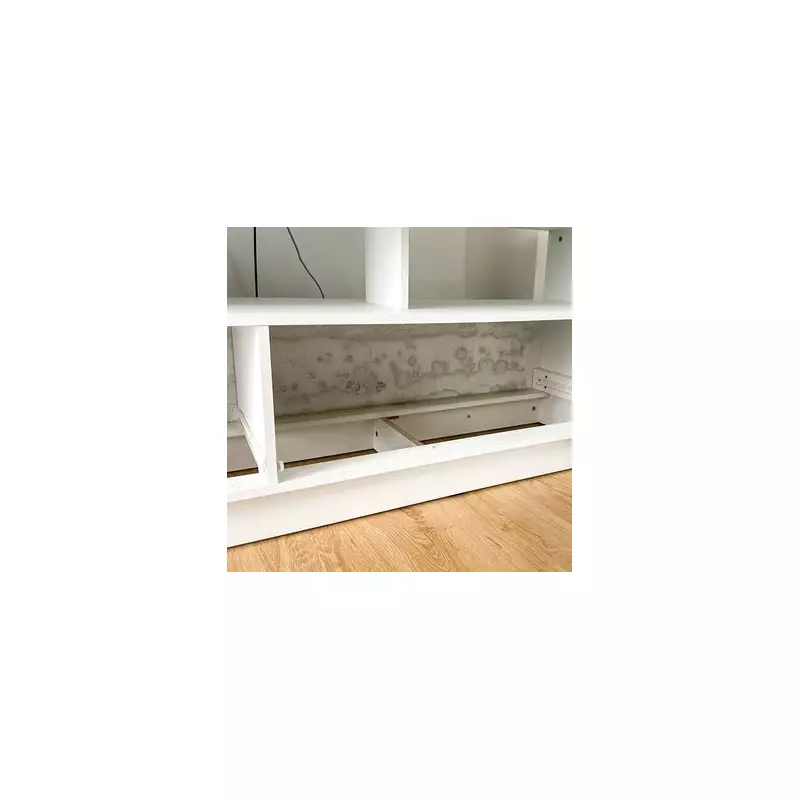
As the new year kicks off, many households across the UK are embarking on a major post-Christmas tidy-up, packing away festive decorations and winter items. However, a leading storage specialist has issued a stark warning that a common organising mistake made in January is silently creating perfect conditions for mould to take hold in your cupboards and wardrobes.
The Hidden Danger in Your Wardrobe
Adam Oakley, a storage specialist at Door to Store, explains that the combination of soaring energy bills and tightly sealed windows during the cold months creates a significant build-up of indoor moisture. The period between Christmas and mid-January is a particularly risky time, as people often overfill their storage spaces in an effort to reclaim living areas.
"People assume mould comes from leaks or obvious damp," says Oakley. "In reality, one of the biggest triggers is how people store items after Christmas." He details that when clothes, bedding, and soft furnishings are pushed tightly into wardrobes, cupboards, or boxes, airflow is completely restricted. This traps any residual moisture present in the items.

Why the Problem Goes Unnoticed Until Spring
The insidious nature of this issue is that the damage often remains hidden for months. Coats worn in winter rain, scarves exposed to condensation, and even freshly washed clothes that feel dry to the touch can still contain enough moisture to cause problems when packed away without ventilation.
"You don't see it straight away," warns Oakley. "By the time you notice the musty smell or visible spotting on your belongings in spring, the damage is already done." At this stage, mould spores can rapidly spread from one affected item to others, ruining entire collections of clothing and soft furnishings.
How to Store Items Safely This January
Fortunately, preventing this costly and unhealthy mould growth is straightforward. Adam Oakley's key advice is simple: storage needs airflow. Items should never be packed so tightly that air cannot circulate around them.
He shares several practical tips for safe storage:
- Always leave space between garments and avoid compressing everything together.
- Allow items to air dry completely. If something has been worn outdoors in damp conditions, let it air for at least 24 hours before storing it away.
- Open cupboard doors occasionally, even in winter, to allow fresh air to circulate in the room.
Oakley also cautions against using sealed plastic boxes for storage, as they can worsen the problem. "Sealed plastic boxes trap moisture inside," he explains. "If you store something slightly damp, you've effectively locked that moisture in." The daily cycle of warming and cooling can then create condensation inside the box, accelerating mould growth on your possessions.






