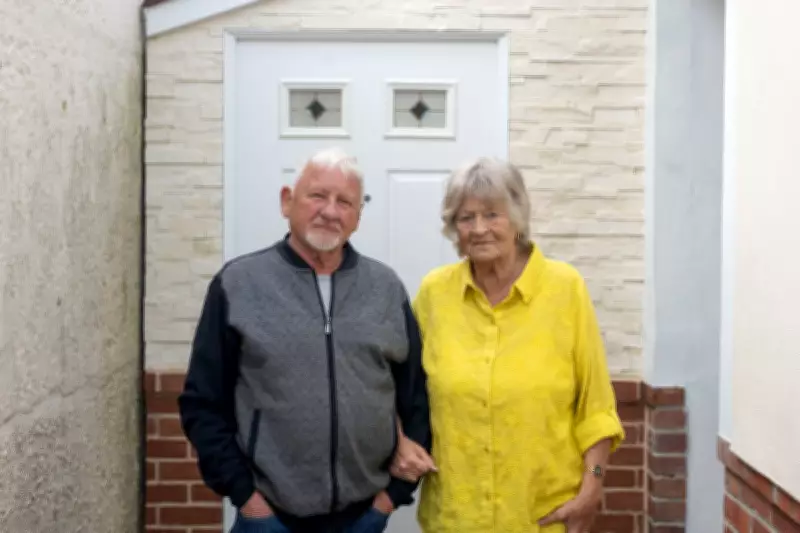
Pensioner Ordered to Dismantle Walkway Built for Disabled Wife
A 73-year-old pensioner faces potential criminal prosecution after building a £6,000 sheltered walkway to assist his disabled wife, with local authorities demanding its removal by March 23. Ross Drysdale constructed the timber and polycarbonate extension at his Christchurch bungalow in October 2024 to provide his wife Victoria with greater independence following a severe stroke she suffered 11 years ago.
Council Enforcement Notice Issued
BCP Council has issued an enforcement notice requiring the complete dismantling of the structure, citing non-compliance with brickwork requirements despite initial approval from a building inspector regarding Building Regulations. The council claims the extension lacks proper planning permission and does not meet approved material specifications.
The enforcement notice states: "Unless full compliance with the Notice is achieved within 28 days of the date of this letter (23rd March 2026) the Council intends to commence criminal proceedings under section 179 TCPA 1990 without further notice."

Wife's Only Pleasure Threatened
Mr Drysdale explained that the walkway serves multiple essential functions for his wife of 37 years. It provides shelter and light for Victoria to groom their two dogs, one of her few remaining pleasures in life following her stroke. The structure also houses her mobile electric scooter, walker, and a washing machine, creating a practical living space adapted to her needs.
"She enjoys washing and grooming them as she has done for years and to have the light and protection from the elements whilst grooming is a treat for her," said Mr Drysdale, who previously worked with adults with special needs.
Accusations of Heavy-Handed Treatment
The pensioner has accused BCP Council of treating him "like a criminal" and demonstrating a "lack of compassion" toward his wife's situation. He received what he describes as a "letter of deconstruction" giving him until March 23 to remove the structure or face legal action.
"I've gone from feeling bad to worse to totally stressed," Mr Drysdale said. "The council have been heavy handed throughout the whole procedure. They need a bit more compassion."
Council's Position on Enforcement
A spokesperson for BCP Council stated that ensuring compliance with planning regulations and building materials is the responsibility of developers and their professional advisers. The council first issued a planning enforcement notice on July 31, 2025, providing six months for compliance before escalating to potential criminal proceedings.
The council spokesperson explained that prosecution would be "in the public interest" according to national planning guidance, though they declined to comment further due to the live enforcement notice. The council maintains that the structure fails to meet required standards despite Mr Drysdale's claims that a building inspector initially approved it.
Family's Plea for Understanding
Mr Drysdale emphasized that he feels persecuted despite having no criminal intent, stating simply: "I would like (BCP Council) to go away, leave us to live our lives quietly and comfortably." He highlighted that the walkway represents more than just a structure—it provides dignity and small joys for his disabled wife during their retirement years.
The case raises questions about balancing regulatory compliance with compassionate consideration for disabled residents' needs, particularly when structures are built to improve quality of life rather than for commercial purposes.