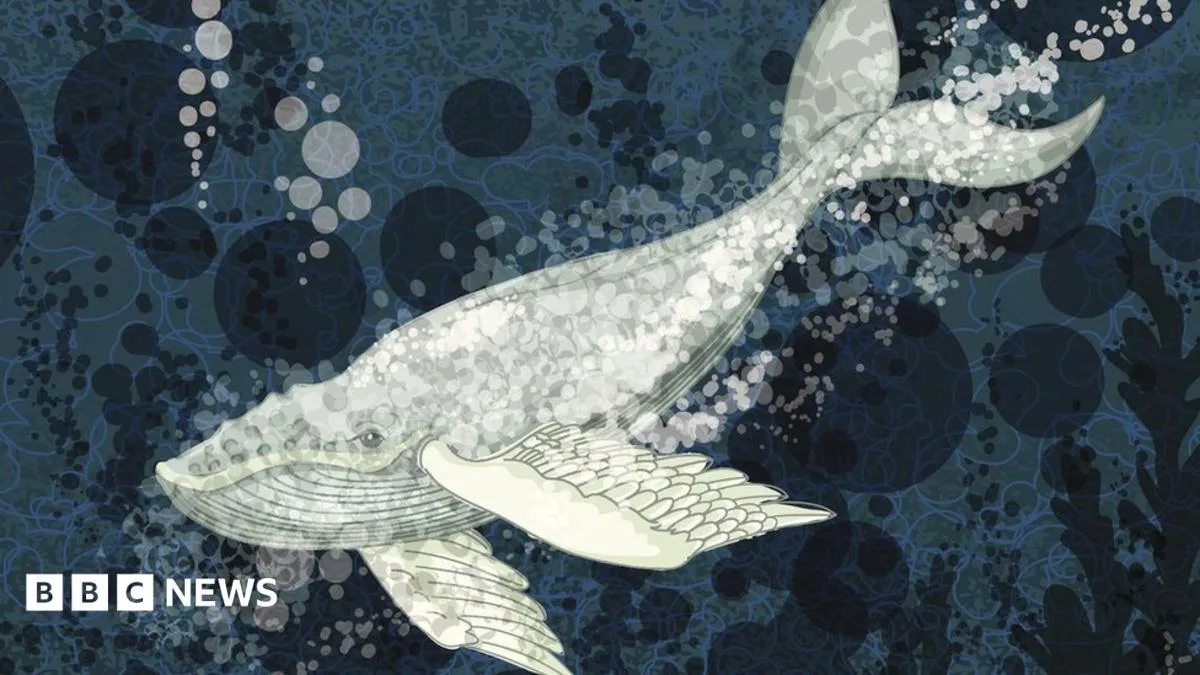
The Blue Whale challenge was widely reported as an online 'suicide game' targeting teenagers, with 50 tasks over 50 days culminating in a demand to kill oneself. Allegedly originating in Russia, reports of related deaths spread to Ukraine, India and the United States. However, closer investigation reveals that the game, as initially reported, may not have existed at all.
The story began with Rina Palenkova, a Russian teenager who posted a selfie on 22 November 2015 and took her own life the next day. Her death was discussed in grim online forums on VKontakte, where teenagers shared stories about depression and suicide. These groups blurred fact and fiction, with users often creating scary tales that seemed real.
Later, in May 2016, journalist Galina Mursalieva published an article in Novaya Gazeta suggesting that within certain online groups, curators set players 50 tasks ending in suicide. The report estimated 130 child deaths between November 2015 and April 2016, sparking widespread panic. The governor of Ulyanovsk even compared the phenomenon to the Islamic State group.
Yet, researchers like Daria Radchenko note that nobody knew the true story behind Rina's suicide. The link between blue whales and suicide remains speculative, with theories ranging from beached whales to song lyrics. Ultimately, the Blue Whale challenge may be a modern ghost story – a scare based on a sliver of plausibility, but not a genuine coordinated game.