
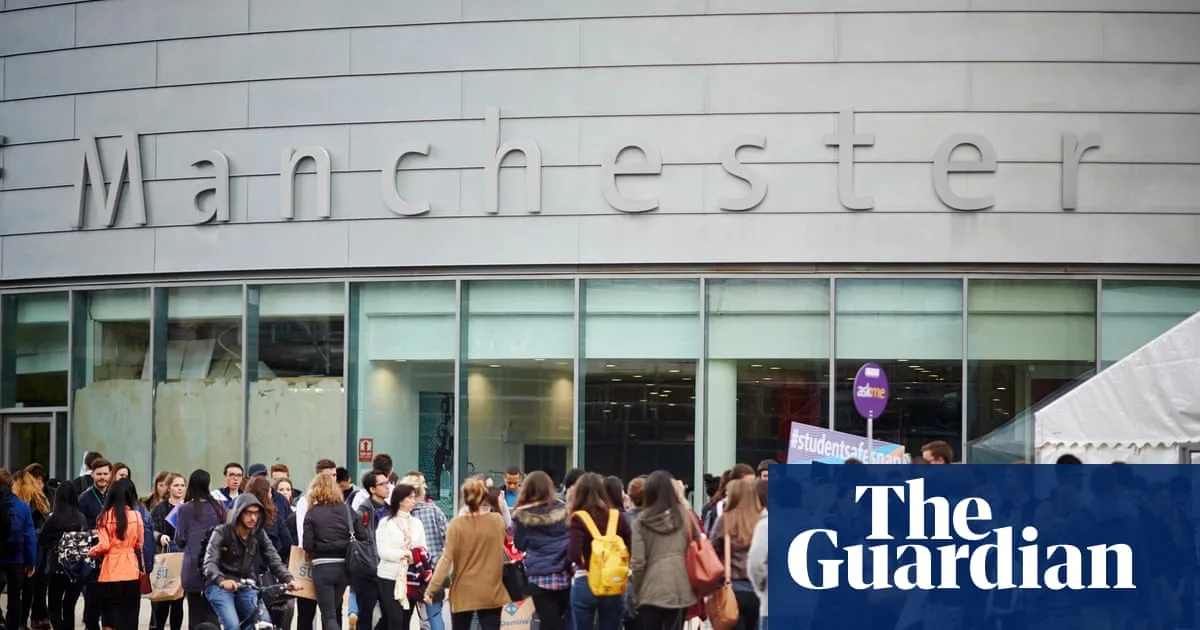
Thousands of Gen Z students in Greater Manchester are set to receive training in 'soft skills' such as empathy and time management, as part of a pioneering UK-first programme. The initiative, called Skills 4 Living, was launched this week by the non-profit Higher Health, which partnered with Unesco. It aims to address employer concerns that young 'digital natives' lack essential social skills, including the ability to speak on the phone or handle job interviews.
The programme will be delivered primarily online, with in-person assessments. Topics include spotting fake news, internet safety, challenging discrimination, gambling awareness, and avoiding scams. By September, the scheme aims to reach 10,000 young people in the city-region, with partners including the University of Manchester, University of Salford, and Manchester Metropolitan University. Future expansions could target young offenders, military personnel, and refugees.
Professor Sandeep Ranote, a leading child psychiatrist and chair of Higher Health's UK body, said Gen Z had grown up with unique challenges, which she termed the 'five Cs': Covid, climate change, cost-of-living, cyberspace, and conflict. She noted that social media had fundamentally changed communication styles, leaving many young people lacking 'everyday but essential' skills. A 2023 survey of 3,000 Greater Manchester employers highlighted gaps in empathy, time management, and problem-solving among young recruits.
Andy Burnham, the Greater Manchester mayor, praised the initiative, stating it would help prepare young people for confident, healthy, and productive lives. The programme comes as Gen Z is expected to make up about 27% of the workforce this year. Ranote added that equipping young people with these skills could also serve as 'pre-prevention' for mental health issues, noting that the rate of diagnosable mental health conditions among young people has risen from one in ten in 2005 to one in five today.




