
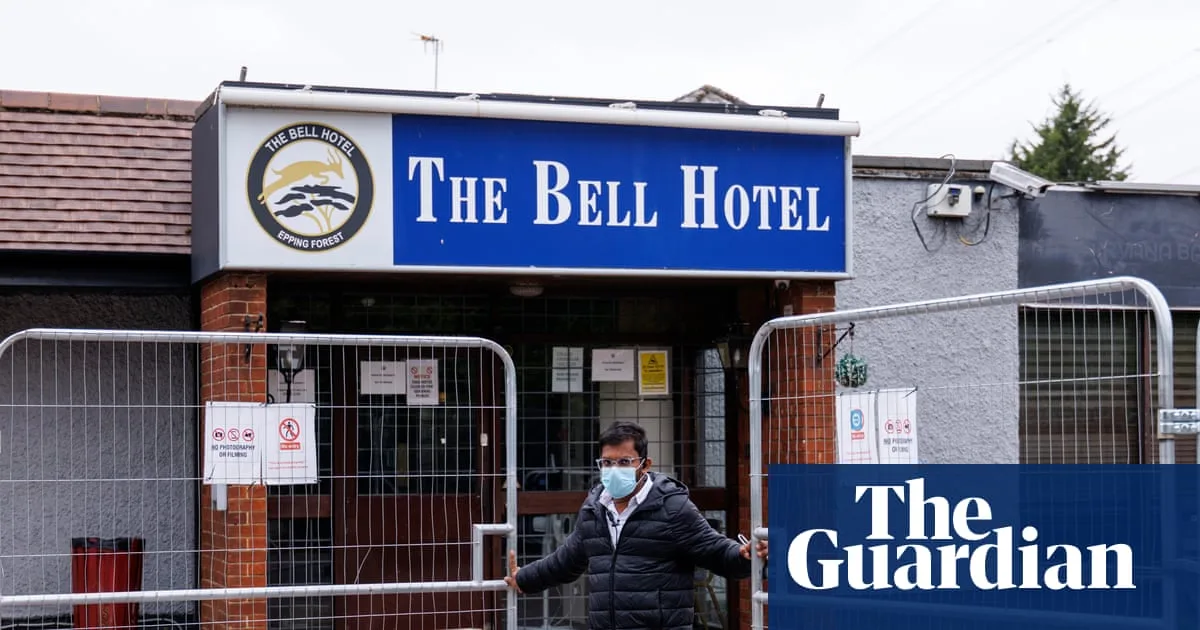
Epping Forest District Council has become the first local authority to secure an interim injunction preventing asylum seekers from being housed in a local hotel, a ruling that has alarmed Home Office officials and raised the prospect of further legal challenges across the country. The decision, which requires the removal of 140 asylum seekers by 4pm on 12 September unless overturned, has been seized upon by Reform UK leader Nigel Farage, who has urged his party's 12 councils to pursue similar actions.
The case centred on the argument that the hotel's use had changed without planning permission, first from a standard hotel to housing asylum-seeking families, and then to accommodating young men. The council successfully argued that these changes breached planning law. Rajeev Syal, the Guardian's home affairs editor, noted that the Home Office had been relaxed about the challenge until the verdict, which now threatens to destabilise the government's asylum housing strategy.
The use of hotels to house asylum seekers has surged dramatically, from around 1,200 in 2020 to a peak of over 55,000 in 2023, before falling to about 30,000. This increase stems from a 2003 ban on asylum seekers working, which legally obligates the government to provide accommodation for those who would otherwise be destitute. Hotels became a stopgap measure as the asylum system came under pressure, but the Epping Forest ruling could force the Home Office to find alternative housing for thousands at short notice.
The ruling has sparked protests outside hotels across the country, some of which have turned violent, with far-right groups seeking to capitalise on the anger. The Home Office now faces the politically explosive question of where to house asylum seekers if a wave of similar legal challenges succeeds in closing hotels. The government has yet to announce a comprehensive alternative, leaving its asylum housing policy in a precarious position.




