
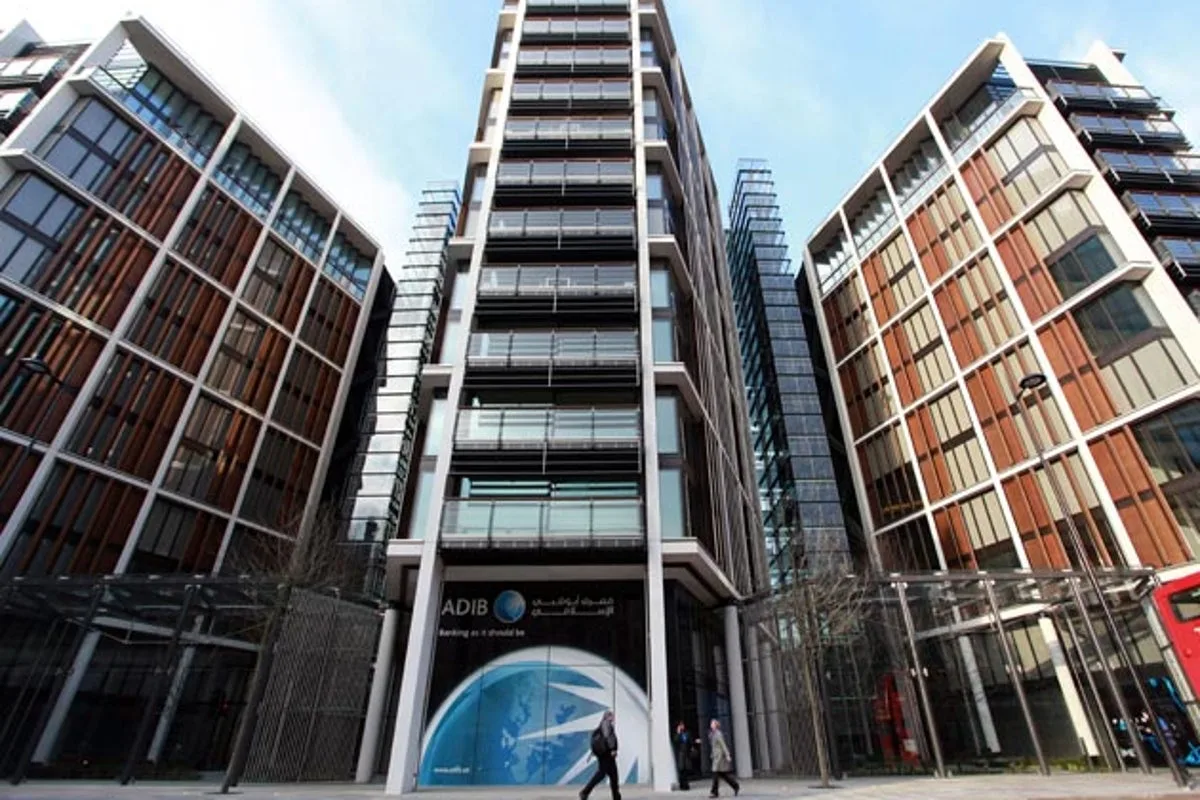
The manager of London's One Hyde Park apartment block has won a legal battle against construction giant Laing O'Rourke, securing over £35 million for pipework repairs. The High Court ruled that Laing O'Rourke's subsidiary, Laing O'Rourke Construction South Limited, was liable for corrosion caused by improper installation of insulation.
One Hyde Park, developed by British brothers Christian and Nick Candy with Qatari businessman Sheikh Hamad bin Jassim bin Jaber Al-Thani, is one of the world's most expensive addresses. An apartment in the block is currently listed for £175 million.
Judge Nerys Jefford found that the pipework corrosion resulted from Laing O'Rourke's failure to properly install insulation, constituting a breach of contract. The ruling covers £34.4 million of the claim's value for pipework removal and replacement, which will require tenants to move out in stages.
Laing O'Rourke Construction South Limited denied the pipework was in disrepair but did not defend the case at a hearing last year. The company has not yet responded to requests for comment.
A spokesperson for One Hyde Park described the ruling as 'a decisive victory for all the residents' and stated they are committed to holding Laing O'Rourke fully accountable for the construction defects.




