
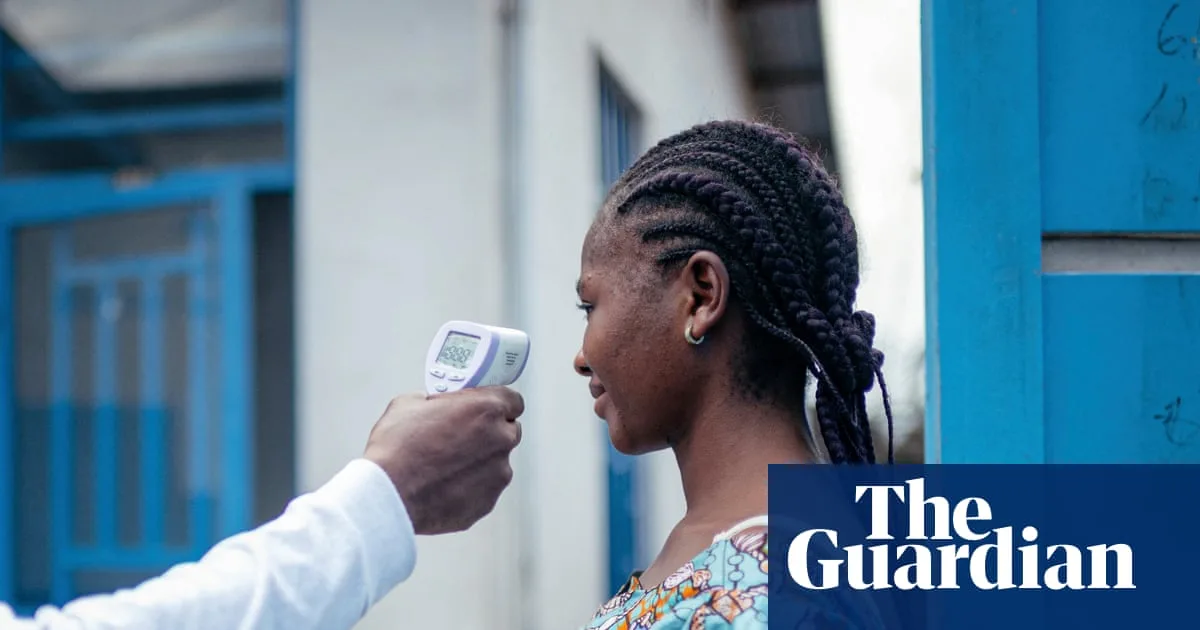
The World Health Organization has declared the Ebola outbreak in the Democratic Republic of the Congo and Uganda a public health emergency of international concern. The declaration came after 88 deaths and more than 300 suspected cases linked to the Bundibugyo virus, one of three strains that can cause Ebola virus disease.
Dr Tedros Adhanom Ghebreyesus, WHO director general, announced the decision before convening an emergency committee. Experts said the speed reflected the gravity of the situation. There are no approved vaccines or treatments for the Bundibugyo strain, nor specific tests.
Africa Centres for Disease Control and Prevention director general Dr Jean Kaseya expressed alarm, stating he was 'on panic mode' due to lack of medicines and vaccines. He highlighted the need for manufacturing capacity in Africa, calling it an 'equity issue'. Kaseya noted talks with companies about potential tests, vaccines and treatments.
In the DRC's Ituri province, there have been 80 suspected deaths, eight confirmed cases and 246 suspected cases. Uganda reported two cases, including one death, in travellers from the DRC. The WHO warned of 'significant uncertainties' about the true number of infections and potential for wider spread.
The US CDC activated its emergency response centre and planned to send more staff. The WHO noted ongoing conflict in Ituri, with population movement and crowded conditions increasing spread risk. On Sunday, a laboratory confirmed a further case.




