Spring 2026 Alert: Japanese Knotweed Laws and Removal Costs Explained
As temperatures rise across the United Kingdom, property owners are being issued a crucial alert regarding the emergence of Japanese knotweed. This invasive plant begins its growth cycle in spring before flowering during the summer months, posing significant risks if left unchecked.
Identification Challenges and Widespread Confusion
Matthew Harwood, a home insurance specialist at Confused.com, highlights the difficulties in spotting this problematic species. "Japanese knotweed can be tricky to spot, and it's often mistaken for plants like Himalayan balsam or giant hogweed," he explains. Research conducted by the insurance comparison site reveals concerning statistics: only twenty-six percent of UK homeowners or renters can accurately identify Japanese knotweed, yet nearly eighteen percent report having been affected by it.
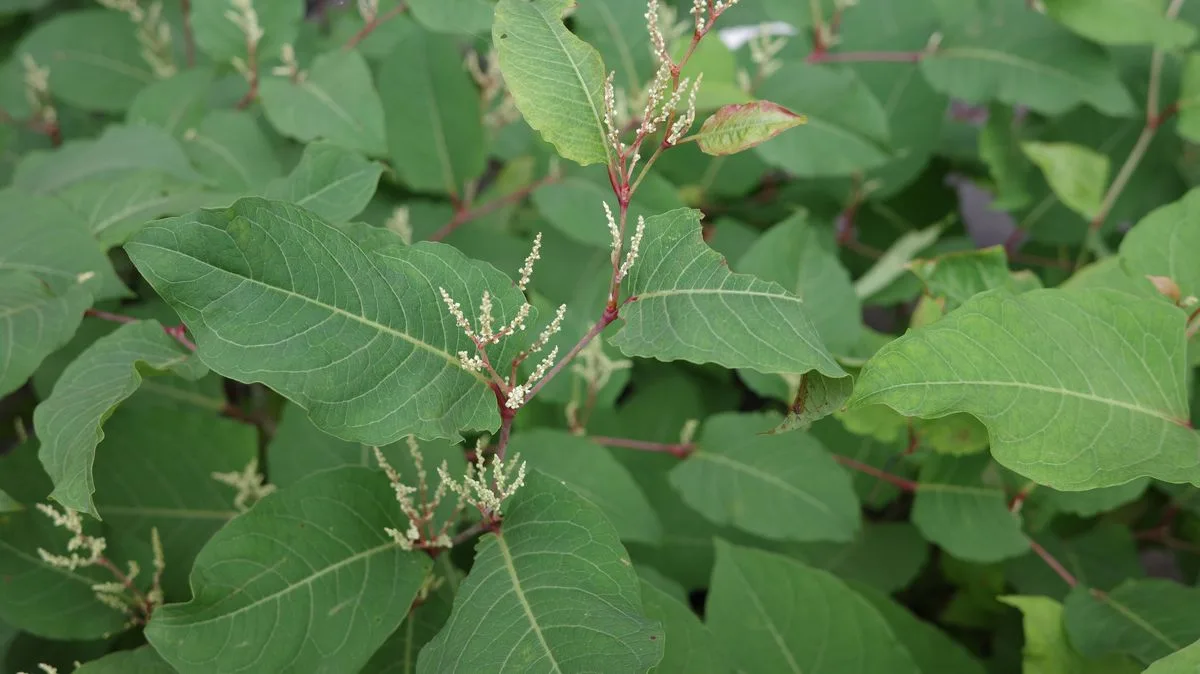
The plant typically features distinctive spade-shaped leaves with pointed tips and exhibits rapid growth once warmer weather arrives. Despite its destructive potential, there exists considerable confusion about its appearance, allowing it to remain undetected until developing into a more serious issue.
Legal Responsibilities and Removal Considerations
Property owners face specific legal obligations regarding Japanese knotweed. While there is no legal requirement to remove the plant from your property, you must prevent it from spreading to neighbouring properties. Failure to contain its growth could lead to prosecution, particularly if it invades natural habitats.
The financial implications of delayed action are substantial. "The longer it's left untreated, the more it can spread and the more expensive it becomes to deal with," warns Harwood. Average removal costs can reach up to £1,910, making early intervention and professional assistance crucial for long-term savings.
Insurance Implications and Declaration Requirements
Standard home insurance policies typically do not cover the cost of removing Japanese knotweed itself. However, coverage may be available for damage caused by the plant, depending on individual policy terms and whether reasonable steps have been taken to control its spread.
It is absolutely essential to declare the presence of Japanese knotweed when taking out insurance. Failure to disclose this information could result in future claims being rejected. Insurance experts recommend consulting specific guides on Japanese knotweed damage to understand proper identification methods, associated risks, and effective removal strategies.
Regulatory Framework and Environmental Impact
According to official government resources, Japanese knotweed represents the most widespread of four invasive knotweed species found throughout Britain. These include Japanese knotweed, dwarf knotweed, giant knotweed, and bohemian (hybrid) knotweed.
This resilient plant thrives in most UK soil types, particularly in artificial environments such as roadsides, derelict land, railway embankments, cuttings, and spoil heaps containing mining or quarrying waste. It is also frequently discovered along riverbanks and streams.
Japanese knotweed propagates through direct rhizome expansion and new plant development from fragments of the parent plant's stem and root system. Remarkably, new growth can emerge from rhizome pieces measuring just one centimetre.
Environmental Regulations and Waste Classification
Soil or vegetation contaminated with non-native invasive species like Japanese knotweed may be classified as controlled waste under environmental regulations. Property owners must prevent the plant from spreading beyond their boundaries, as such spread could trigger environmental harm designations.
While eradication is not legally mandatory unless the plant creates a nuisance, allowing it to spread into natural habitats carries potential prosecution risks. The spring 2026 alert emphasizes the importance of vigilance, early detection, and responsible management to protect both property values and natural ecosystems.






