

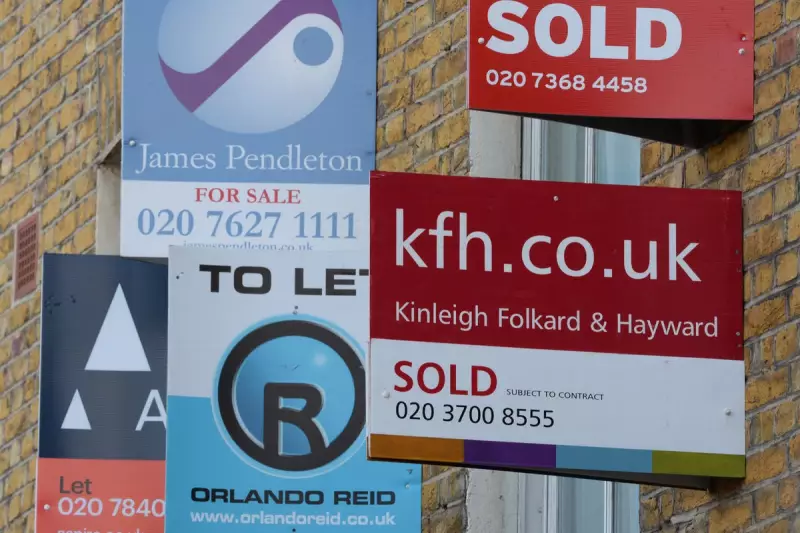
Annual house price growth across the United Kingdom lost momentum in November, easing to 1.8% from 2.4% the previous month, according to the latest data from Nationwide Building Society.
Market Stability and Modest Monthly Rise
On a monthly basis, property values saw a modest average increase of 0.3% in November. This pushed the price of a typical UK home to £272,998. Robert Gardner, Nationwide's chief economist, noted that the housing market has shown considerable stability in recent months.
"House prices are rising at a modest pace and the number of mortgages approved for house purchase is being maintained at levels similar to those seen before the pandemic," Gardner stated.

Budget Impact and Rental Market Concerns
While the recent Budget introduced a high-value council tax surcharge for homes in England valued above £2 million, Gardner believes it will have a limited market impact. The charge, which starts at £2,500 annually and rises to £7,500 for properties over £5 million, does not take effect until April 2028 and will affect fewer than 1% of English properties.
However, economists have raised a red flag for the rental sector. The increase in taxes on property income could further dampen the supply of new rental homes coming to market, Gardner warned. With rental supply already constrained, this could maintain upward pressure on rents, which have been hitting record highs.
Expert Outlook for 2026: A Potential Resurgence
Despite the slowdown, several property market experts are forecasting a pick-up in activity heading into the new year. Alice Haine, a personal finance analyst at Bestinvest by Evelyn Partners, suggested that buyers who paused their plans before the Budget may now return.
"Some estate agents are pinning their hopes on a 'Boxing Day bounce' if prospective purchasers wait until after the Christmas festivities to resume house hunting," Haine said.
Sarah Coles of Hargreaves Lansdown pointed to falling mortgage rates and wage growth outpacing inflation and house prices as key factors that could boost affordability and demand. "There's a decent chance that 2026 will usher in more positivity," she commented.
This sentiment was echoed by mortgage brokers, with Mark Harris of SPF Private Clients noting that lenders remain keen to lend, and falling swap rates are prompting further cuts to fixed-rate mortgage deals.
A Healthier Balance for Buyers and Sellers
Looking ahead, Nationwide's Robert Gardner suggested that housing affordability should improve modestly if income growth continues to outpace house price growth. He also expects borrowing costs to moderate if the Bank of England lowers its base rate again.
Iain McKenzie of The Guild of Property Professionals added that increased choice for buyers is helping to keep price pressures in check. "Buyers now have more choice than they've had in years, which is encouraging more realistic negotiations," he explained.
With inflation expected to ease and interest rate cuts on the horizon, the foundation for a more active and confident property market in 2026 appears to be forming.






