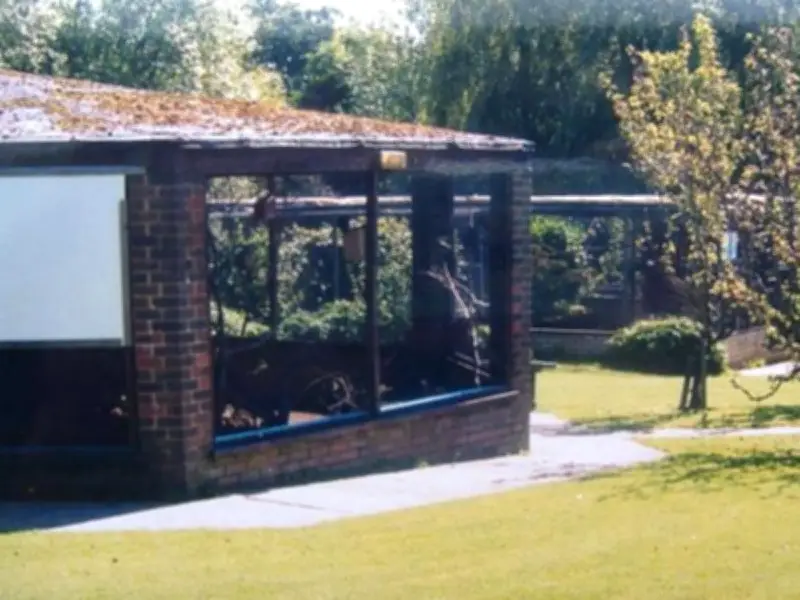
Gatwick Zoo, a beloved family attraction in Charlwood, Surrey, that housed approximately 900 birds and mammals for 29 years, has been transformed into a residential housing development. The zoo, which operated from 1973 until September 2002, spanned 11.4 acres and once attracted up to 70,000 visitors annually.
From Hobby to Enterprise
What began as a pastime for owners Terry and Sheila Thorpe grew into a thriving enterprise over three decades. The Thorpes eventually decided to close the zoo to enjoy their retirement. However, selling the property proved challenging because the land was located within a green belt zone.
After a public inquiry, the Secretary of State determined that exceptional circumstances warranted approval for 17 homes to be constructed on part of the site. Local residents had expressed concerns about potential traffic impacts and other community issues.
Development and Affordable Housing
An agreement was reached with Mr. Thorpe, resulting in a substantial number of small and affordable homes being built on the site. Mr. Thorpe praised the planning department at Mole Valley, stating, "I have to say that I thought the planning department at Mole Valley were magnificent throughout. They couldn't have been more helpful."
Animal Relocation
The zoo's remarkable collection of animals was redistributed to other facilities, including Chessington Zoo, Colchester Zoo, and Edinburgh Zoo. During the 1990s, Gatwick Zoo had bolstered its expertise on various species by taking in animals from the shuttered Windsor Safari Park.
Decline and Closure
At its height, the zoo attracted around 70,000 visitors annually, but footfall declined significantly in its later years, hastening its closure. Mr. Thorpe had contemplated shutting the zoo earlier but was persuaded to continue for one final season after a particularly difficult summer in 2001 caused by the foot and mouth disease outbreak.
A 29-Year Legacy
Having devoted thirty years to running the zoo, Mr. Thorpe admitted he would miss the "excitement" of watching new eggs hatch or caring for endangered species, while acknowledging the role involved far more than those rewarding moments. He noted he would not miss picking up litter or the constant burden of complying with rules and regulations. The zoo officially closed in September 2002, ending a 29-year era of bringing wildlife experiences to the local community.