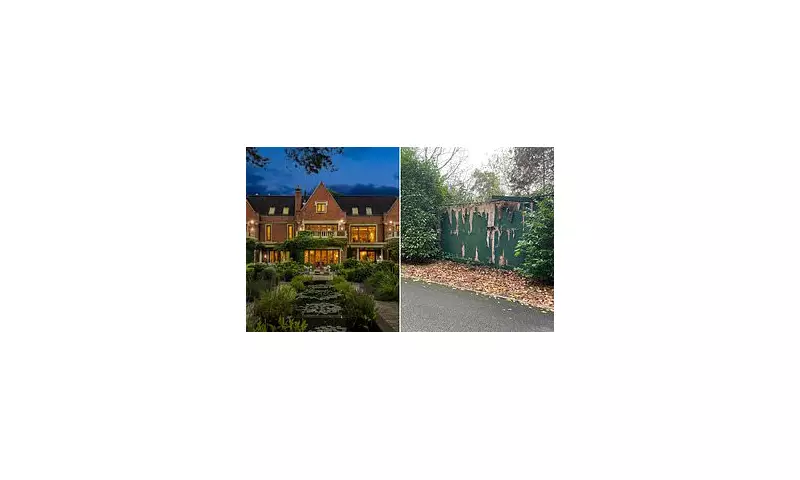
One of the United Kingdom's most prestigious private estates is at risk of turning into a 'ghost town' as ultra-wealthy families, including Russian oligarchs, depart the country, experts have warned. The exodus has sparked a fire sale of luxury belongings and left a significant number of multi-million pound homes standing empty.
The Exodus from an Iconic Estate
The private, gated St George's Hill estate in Weybridge, Surrey, long a bastion of British celebrity and immense wealth, is facing an unprecedented flight of residents. Historically home to music legends like John Lennon, Sir Ringo Starr, Sir Elton John, and Sir Tom Jones, as well as sports stars, the 964-acre estate has in recent decades become a favoured enclave for Russian oligarchs. Leading pawnbroker James Constantinou has raised suspicions that as many as a quarter of the 430 homes on the estate now lie vacant.
New photographs reveal a troubling scene, with a significant number of properties boarded up behind large, temporary wooden gates secured with padlocks. Others show clear signs of decay, including cracked facades, empty driveways, and gardens left to grow wild. On property portal Rightmove, more than 30 individual properties are currently listed for sale, as owners look to offload assets. Among them is Park Hill, a mansion valued at £19.5 million.

Tax Fears and a Flood of Valuables
The trend has been accelerated by mounting political and economic pressures. Local estate agents report heightened concern among homeowners following Chancellor Rachel Reeves's recent Budget, which unveiled a new annual property tax for homes valued over £2 million. From April 2028, owners of such properties will face an additional levy of up to £7,500 per year on top of their council tax.
James Constantinou, CEO of Posh Pawn Brokers, stated his business has been inundated with former residents selling valuables before moving abroad. "A lot of people are coming into us, who are packing up to leave, so they're selling all their belongings," he said. He lamented the depressed market for luxury goods, with items like watches, art, and even personalised number plates selling for a fraction of their former value. He compared the current climate to the 2008 financial crisis, noting it is "affecting the very wealthy, the super wealthy, who are leaving."
This departure has a ripple effect on the local economy. Mr Constantinou highlighted the plight of tradespeople like gardeners and cleaners who are losing their high-net-worth clients. "The byproduct of that is the cleaners and gardeners... he's not working any more - they're moving out," he explained, referencing a local gardener who had to pawn a Rolex.
A Market in Flux and Contradictory Views
While the 'ghost town' narrative is strong, some local property professionals offer a more nuanced picture. Xander Allman-Varty of Park Lane Developments described the talk as "a big exaggeration," insisting St George's Hill remains "a really nice place to live" with a thriving community. He pointed to recent sales, including to domestic buyers, and suggested that for many sellers, the motivation is linked to nationality and the desire to move assets out of the UK, rather than solely Labour's tax plans.
Nevertheless, the estate's recent history is inextricably linked to Russian wealth. Over the past two decades, more than a quarter of its mansions are thought to have been bought by Russian tycoons. The ongoing war in Ukraine has increased pressure on these individuals, contributing to the current sell-off. The estate has even been subject to local protests over the presence of oligarchs.
The situation at St George's Hill reflects a broader national trend of wealthy individuals reconsidering their UK residency. This so-called 'billionaire exodus' has recently included figures like steel tycoon Lakshmi Mittal, Revolut founder Nikolay Storonsky, and Aston Villa co-owner Nassef Sawiris, who have shifted their tax residences abroad due to concerns over inheritance tax and other fiscal policies.

Tax advisor David Lesperance warned of the consequences, stating, "It's bad for everyone in the UK if you're counting on their tax revenues." As the gates close on more empty mansions in Weybridge, the future of one of Britain's most exclusive addresses hangs in the balance, caught between global geopolitics and domestic tax policy.