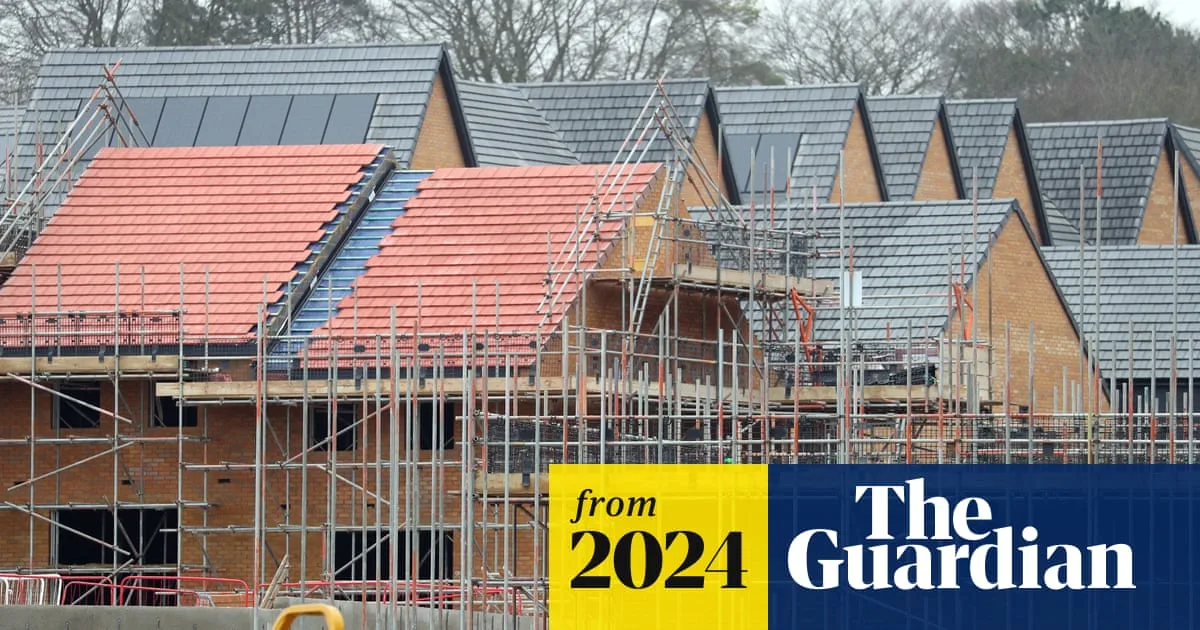
Housebuilder Crest Nicholson has issued a stark warning over its financial performance, dramatically cutting sales and profit forecasts as the ongoing Iran war severely impacts construction costs and buyer confidence across the UK housing sector.
Sharp Share Plunge and Debt Surge
The company saw its shares plummet by a staggering 45% at one point during trading after revealing it would deliver fewer homes this year than previously anticipated. Crest Nicholson now expects underlying earnings to fall between £5 million and £15 million, significantly below market expectations, with rising build and energy costs directly attributed to the Middle East conflict.
Debt levels are projected to surge dramatically to between £100 million and £120 million, a substantial increase from the £38.2 million reported for the year ending October 31. This figure far exceeds the company's previous forecast of £15 million to £65 million, prompting Crest Nicholson to seek temporary relaxation of lending agreements with its financial institutions.
Market Slowdown and Construction Reduction
Since its last update in March, Crest Nicholson has experienced a noticeable slowdown in new inquiries and visitor levels to its developments. The company reported a "marked" softening in sentiment among land buyers, who have become increasingly cautious due to the uncertain economic outlook created by geopolitical tensions.
The builder has revised its completion targets downward, now expecting to finish between 1,400 and 1,500 homes this year, reduced from the previous range of 1,550 to 1,700. Additionally, anticipated land sales have been cut to approximately £40 million, a significant drop from the £75 million to £100 million previously forecast.
Management Response to Challenging Conditions
Crest Nicholson stated it is acting "quickly and decisively" to prioritise cash preservation and balance sheet strength amid increasingly difficult trading conditions. Chief Executive Martyn Clark emphasised that macroeconomic uncertainty is contributing to a prolonged higher interest rate environment, renewed cost pressures, and deteriorating consumer confidence.
"Therefore, in the near term the right and prudent course of action is to adapt quickly to the challenges presented by the current trading environment and focus on prioritising cash generation and optimising our balance sheet position," Clark explained. "We are doing what needs to be done to navigate this uncertainty to best position the business to deliver the attractive medium-term opportunity."
Analyst Reactions and Sector Implications
Analysts at Peel Hunt noted that the revised earnings guidance suggests pre-tax profits will be "well below" the current consensus estimate of £33 million. Victoria Scholar at Interactive Investor described the update as "very bleak," highlighting how the Iran war and resulting energy crisis have created painful headwinds for the entire housebuilding sector.
"Interest rate sensitivity among housebuilders means that the conflict's inflationary impulse not only adds to significant build cost pressures from higher energy but also threatens the demand outlook as the higher-for-longer outlook for interest rates dampens mortgage affordability and softens demand for borrowing," Scholar observed.
The company's strategic shift toward cash conservation and balance sheet optimisation reflects broader concerns within the construction industry about sustained economic pressures stemming from international conflicts and their domestic economic repercussions.






