
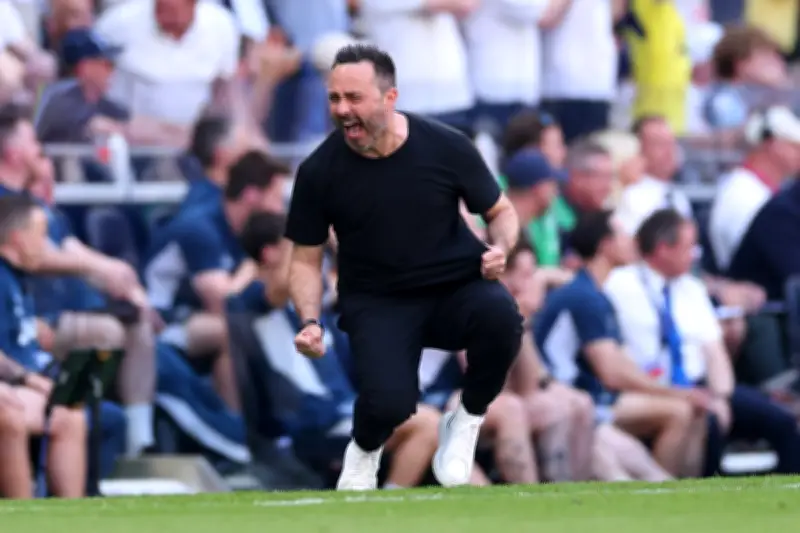
Tottenham Hotspur's summer transfer splurge, totaling an unprecedented £230 million, has raised eyebrows across the Premier League. The spending spree, funded in part by cash injections from owner Joe Lewis's family—including the recent sale of a significant portion of his art collection at Sotheby's for nearly £300 million—marks a sharp departure from the club's historically frugal approach under chairman Daniel Levy.
Strategic Shift or Desperate Gamble?
The consensus is that Tottenham are lavishly spending their way out of trouble after two difficult seasons. However, the fees have drawn criticism: £85 million for Mateus Fernandes from West Ham, a potential £100 million for Sandro Tonali from Newcastle, and £52 million for Jan Paul van Hecke from Brighton, alongside big wages for Marcos Senesi and Andrew Robertson. According to Jonathan Liew, the overspending is deliberate—a "vibe shift" akin to buying an expensive pint at the airport.
Van Hecke is a good defender but not worth the 12th-most expensive transfer fee for a centre-half in history. Fernandes, 21, saw his price inflated by a bidding war with Manchester United. Tonali, 26, has resale value in decline, and Senesi and Robertson, aged 29 and 32, command high salaries that pressure the wage ceiling. "None of this is rocket science," Liew writes, suggesting a strategy to build a team for now, not a squad for later.
De Zerbi's Influence and Volatility
Manager Roberto De Zerbi, who saved Tottenham from relegation last season, has been handed significant power over recruitment alongside sporting director Johan Lange and chief executive Vinai Venkatesham. A move for Sebastian Kehl from Borussia Dortmund reportedly fell through when Kehl was alarmed at De Zerbi's level of influence. Liew describes De Zerbi as a "volatile ideologue" who could easily walk away, leaving the club's future uncertain.
Financial Context and Identity Crisis
Under Levy, Tottenham consistently spent a low proportion of revenue on wages—just 45% in 2024-25, the lowest among all 20 Premier League clubs. Despite being the ninth-richest club in the world, the club operates without the expectation of regularly winning trophies. Liew questions Tottenham's identity: "What is the point of Spurs, really?" The club has oscillated between frugality, youth development, and now this luxury spending spree, without settling on a clear vision.
The new squad-cost-ratio era means this summer's spending impacts future windows. The club has not addressed the lack of a goalscorer to replace Harry Kane or Son Heung-min, and promising young players like Luka Vuskovic and Lucas Bergvall are likely to depart. "As long as Tottenham keep avoiding relegation, they can keep doing this," Liew concludes, noting that anything from 12th place upward would be seen as progress.




