
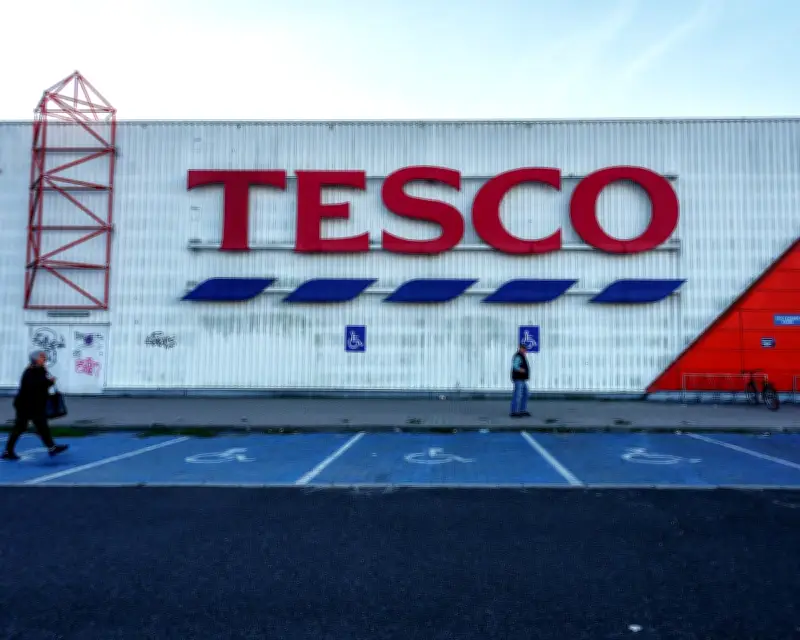
Tesco is exploring the sale of its central Europe division, which operates 560 stores in Czechia, Slovakia, and Hungary, according to a Financial Times report. This would mark another step in the supermarket chain's retreat from international markets, a strategy that has pleased shareholders as the company focuses on its dominant UK position.
From Global Ambitions to Domestic Dominance
Two decades ago, Tesco aimed to become a global retail powerhouse. In 2007, then-CEO Sir Terry Leahy predicted half of the group's revenues would come from overseas within a decade, with operations spanning the US, Japan, China, Thailand, South Korea, Malaysia, and several European countries. Today, the non-UK and Ireland empire has shrunk to just the central Europe division, and even that may be sold.
Several factors drove this reversal. The US venture Fresh & Easy failed spectacularly, resulting in a write-off of over £1 billion. The 2014 accounting scandal forced management to refocus internally. Tesco sold its South Korean Homeplus business for £4.2 billion in 2015 and its Thai and Malaysian operations for £8 billion in 2020.
Domestic Challenges and Strategic Pivot
In the UK, Tesco faced persistent competition from German discounters Aldi and Lidl, which eroded its market share. The potential threat from Amazon in food retailing further concentrated minds on domestic defense. Meanwhile, Tesco discovered that international food retailing is more complex than simply replicating the UK model. In China, local retailers better understood consumer tastes, and in central Europe, the business has been roughly stagnant.
The strategic pivot has paid off for shareholders. Tesco's share price has doubled in the past five years. The company now holds a 28.2% market share in the UK, according to Worldpanel, more than the combined shares of Sainsbury's (15.2%) and Asda (11.5%).
Regulatory Support and Future Outlook
The 2018 acquisition of Booker for £3.7 billion, approved by competition regulators, strengthened Tesco's wholesale and convenience operations. The company's internal target of reaching 30% market share appears credible, supported by growth in online, convenience, and wholesale channels.
Tesco's current strategy is straightforward: outperform over-leveraged rivals Asda and Morrisons, counter discounters with price-match initiatives, and return excess cash to shareholders through buy-backs. CEO Ken Murphy can earn up to £10 million annually under this approach.
The sale of central Europe would complete a long-running decluttering process that included the sale of Tesco Bank to Barclays. As the article notes, "Overseas retailing, especially in food, is hard," and domestic dominance offers superior returns on invested capital.




