








Entertainment

Kate Moss Skips Premiere of Her Biopic Moss & Freud, Ellie Bamber Shines
Kate Moss was absent from the premiere of her biopic 'Moss & Freud' in London, allowing actress Ellie Bamber to take the spotlight. The film explores her bond with artist Lucian Freud.





Politics

Matthew Perry's Assistant Accused of Destroying Drug Evidence After Death
Kenneth Iwamasa, Matthew Perry's assistant, is accused of destroying evidence of the actor's ketamine use after his death. Prosecutors seek 41 months in prison.



Sports

Learning Jive from Strictly's Shirley Ballas on MSC Virtuosa Cruise
A reporter attempts to learn the jive from Strictly judge Shirley Ballas aboard MSC Virtuosa, enjoying dance classes, shows, and Norwegian ports.



Crime

Josh Jacobs Arrested on Domestic Violence Charges in Wisconsin
Green Bay Packers running back Josh Jacobs faces five domestic abuse charges including strangulation after turning himself in. The team says it's aware and will withhold comment.







Health





Environment

Fury Over Glyphosate Spray Plan Near Lake Tahoe
Residents and environmentalists are outraged as the US Forest Service approves glyphosate spraying across 46,000 acres in the Caldor Fire burn scar, including areas near Lake Tahoe.
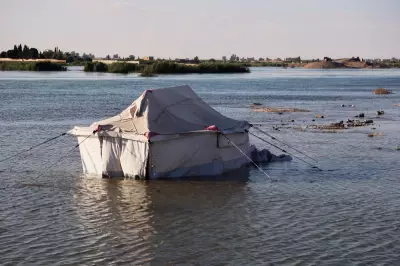
Syria Urges Euphrates Residents to Move Inland as Waters Rise
Authorities in Syria urge residents along the Euphrates River to move inland after rising waters cause flooding in Raqqa and Deir el-Zour, damaging homes and farmland.
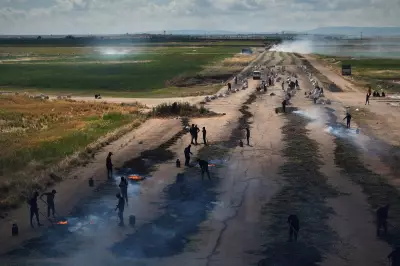
Syria's Freekeh Harvest: Traditional Roasted Green Wheat
Explore photos of the freekeh harvest in Syria's Idlib province, where traditional methods produce roasted green wheat grain for Levantine cuisine.

UK Railways Disrupted as May Temperature Record Hits 35.1C
UK railways face severe disruption as temperatures hit 35.1C, breaking May records. Passengers removed from trains due to heat, with health warnings extended.
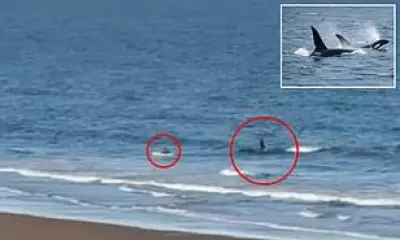
Orca charges at canoeist off Argentina in close call
A lone canoeist had a terrifying close encounter with a killer whale off Argentina's coast after the orca charged toward the vessel before veering away at the last second.
Monday Sports Challenge: Football, Cricket & Rugby Questions
Start your week with our Monday sports quiz featuring 100 questions about British football, cricket, and rugby. How well do you know these popular UK sports?
