
Oil prices are expected to surge when trading resumes on Monday after the effective closure of the Strait of Hormuz and the ongoing US-Israel conflict with Iran. Data from the broker IG indicates that US crude could rise by 11%, reaching more than $74 a barrel, up from $67 on Friday. This would mark the highest level since June 2025, when the US launched strikes on Iran's nuclear facilities.
The Strait of Hormuz is a vital route for about $500bn of energy trade and 20% of global oil supplies each year. Iran's Revolutionary Guards reportedly told ships on Saturday that passage was prohibited, effectively shutting the waterway. A tanker was attacked on Sunday, and at least 150 vessels carrying crude, liquefied natural gas and oil products dropped anchor in open waters as traffic slowed to a near standstill, according to Reuters. Tamsin Hunt, a senior analyst at S-RM, said closing the strait in full would be 'devastating for Iran's own economy'. The disruption also affects shipments of chemicals and fertilisers, which could impact agriculture and global food prices.
Analysts have warned of further price increases. Barclays said the oil price could reach $80 a barrel in the event of a 'material supply disruption'. Royal Bank of Canada noted that regional leaders had warned Washington about the risks of another confrontation with Iran, indicating that '$100-plus oil was a clear and present danger'. In response, eight Opec+ countries, including Saudi Arabia and Russia, agreed on Sunday to raise output by 206,000 barrels a day in April, more than the 137,000 barrels previously expected. However, analysts said the group had little spare capacity except for Saudi Arabia and the UAE, which face difficulties exporting while the strait remains closed.
The spike in wholesale oil prices is likely to feed through to UK pump prices. The AA said the average price of petrol was 132.9p a litre and diesel 142.4p. A reversal of the Treasury's 5p-a-litre fuel duty cut is also expected to push costs higher. AA spokesperson Luke Bosdet said: 'Pump prices have been rising over the past week and the conflict escalation in the Middle East threatens even higher fuel costs for UK drivers.'
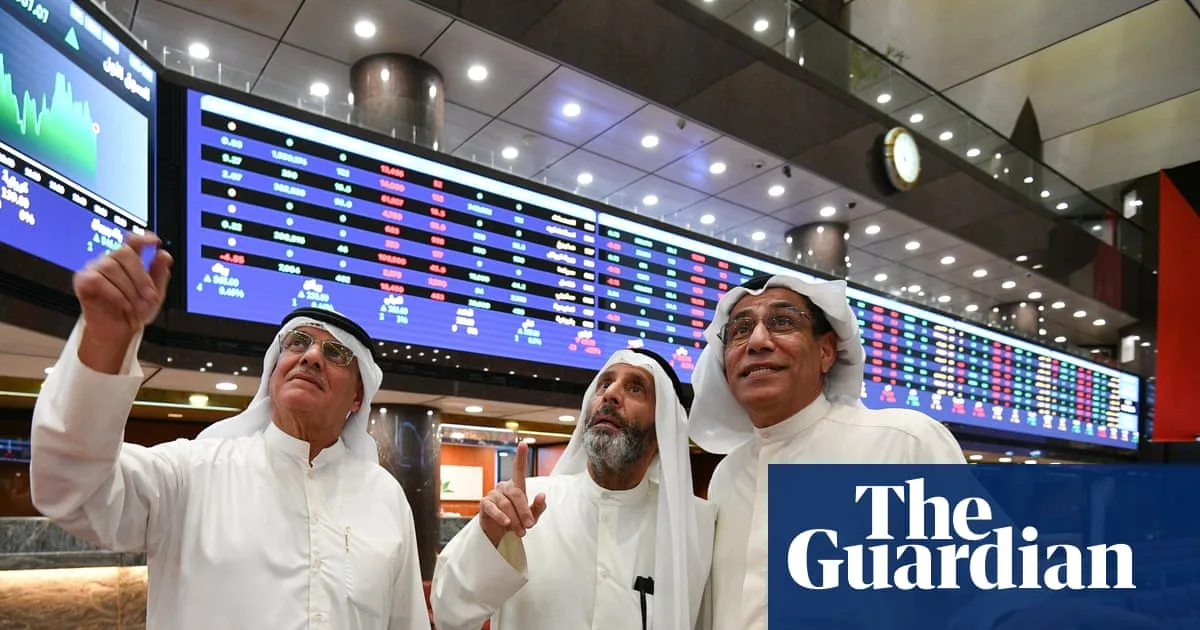
London's FTSE 100, which hit a record high on Friday and was close to breaking 11,000, is expected to fall by about 0.5% on Monday. Investors are likely to seek safe-haven assets, with gold up 2.25% to almost $5,400 an ounce and silver trading 3.2% higher on IG's weekend markets.
The closure has also prompted operational suspensions. DP World said it had suspended operations at the Jebel Ali port in Dubai, and the Mediterranean Shipping Company stopped booking worldwide cargo into the Middle East. Ports in Bahrain and Oman were also shut. The cost of insuring ships in the region has risen, according to Dylan Mortimer of Marsh. Oman reported that an oil tanker in the strait came under attack, injuring four mariners onboard.




