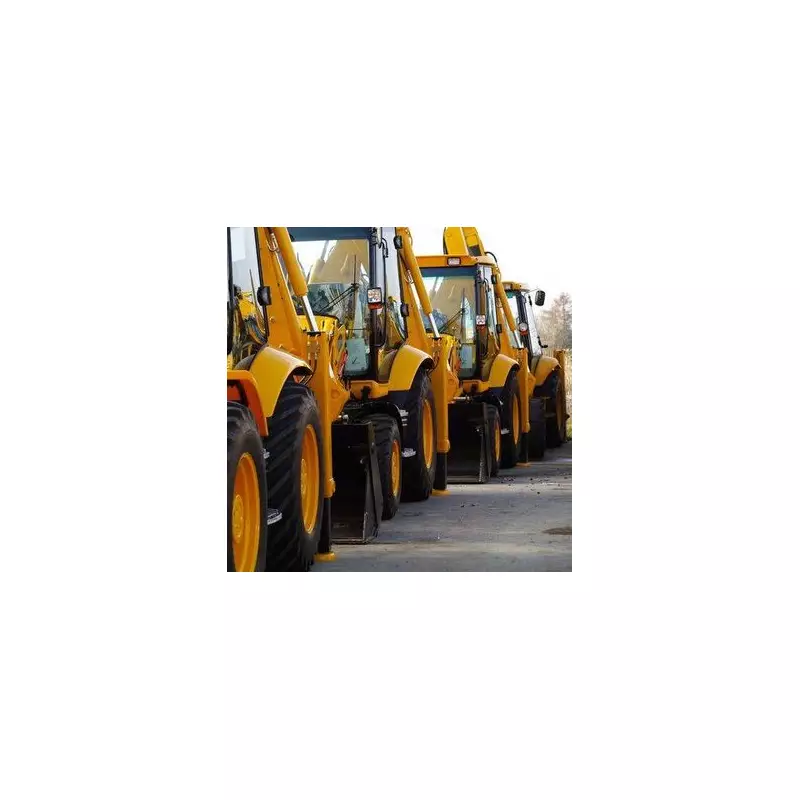
A major player in the UK's construction equipment industry has ceased trading after more than half a century, resulting in significant job losses and sending shockwaves through the sector.
55-Year Legacy Ends in Administration
Warwick Ward (Machinery) Ltd, a prominent construction plant dealer founded in 1970, has officially entered administration. The devastating move has led to the redundancy of the vast majority of its 89-strong workforce, marking a severe blow to the industry.
The company, headquartered in Barnsley, South Yorkshire, was recognised as one of the nation's largest stockists and suppliers of earthmoving and waste recycling machinery. It also operated depots in Bromsgrove, Worcestershire, and Harlow, Essex, serving a national clientele.

Economic Headwinds and Employee Ownership Transition
Joint administrator James Lumb pointed to "wider economic headwinds" impacting the construction and recycling sectors as the primary cause of the company's failure. These pressures placed unsustainable strain on Warwick Ward's cashflow.
A critical factor in its difficulties was the debt incurred during a significant ownership change. In June 2023, owner-directors Ashley and Matt Ward sold the business to an Employee Ownership Trust (EOT). While EOTs can offer long-term benefits, the associated debt burden proved challenging when market conditions deteriorated.
The financial impact of this transition was stark. In its first year under employee ownership, Warwick Ward reported a pre-tax loss of £1.3 million, with sales revenue falling 11% to £45.3 million. This contrasted sharply with its final year under the Ward family's control, which saw a pre-tax profit of nearly £680,000 on sales of £51.2 million.
Aftermath and Future of Assets
James Lumb stated that the immediate priority for the administrators is to support the staff affected by redundancy. Simultaneously, they will explore options for the company's remaining assets and business.
It has been reported that prior to the administration filing, Warwick Ward's management had explored avenues for refinancing, a potential sale, and new investment in a bid to salvage the business. These efforts ultimately proved unsuccessful against the challenging economic backdrop.
The collapse of such a long-established and significant supplier underscores the acute pressures facing the UK construction and industrial sectors, where rising costs and uncertain demand are testing business resilience.