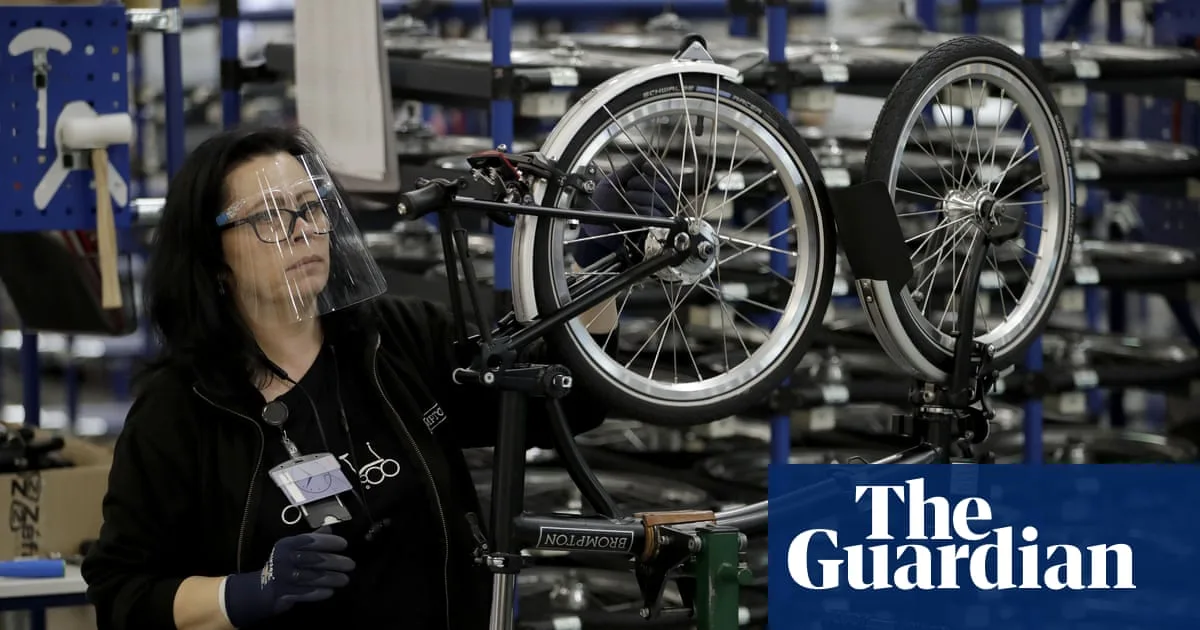
British manufacturers experienced one of their best months since Labour came to power in January, according to a closely watched survey, adding to signs that the Bank of England will keep interest rates on hold this week. The purchasing managers' index (PMI) rose to 51.8 in January from 50.6 in December, the highest since August 2024. Any reading above 50 indicates growth.
The monthly survey of around 650 manufacturers showed new export orders rose for the first time in four years, with factories reporting increased orders from Europe, the US and China. Optimism about the year ahead reached its highest level since before the autumn 2024 budget. Rob Dobson, a director at S&P Global Market Intelligence, said: 'UK manufacturing made a solid start to 2026, showing encouraging resilience in the face of rising geopolitical tensions.'
The upbeat survey adds to evidence that the UK economy has strengthened in recent months. A combined PMI for manufacturing and services showed the strongest upturn in business activity since April 2024, while official figures revealed retail sales performed better than expected in December and GDP rose by an unexpected 0.3% in November. A separate Institute of Directors survey showed economic confidence among members reached an eight-month high in January, rising from -66% to -48%.

The data suggests the impact of uncertainty around Rachel Reeves's recent budget has subsided, after on-off tax rumours caused investment and consumer spending to slow. The figures add to predictions that the Bank will keep interest rates at 3.75% when it announces its decision on Thursday. Signs of economic pick-up are expected to persuade the Monetary Policy Committee to hold off on a rate cut until more data shows inflation slowing. Inflation was 3.4% in December, down from 3.8% in summer but still above the 2% target.
The PMI survey showed cost pressures are rising due to higher employers' national insurance contributions, the minimum wage increase, and higher commodity costs. However, some MPC members are concerned about rising redundancies and unemployment at a near five-year high of 5.1%, which could curb inflation and support lower borrowing costs. The survey also showed that while new business rose, companies continued to reduce staff numbers, though the rate of job cuts slowed to its lowest in 15 months.