UK's Last Major Chemical Plant Faces Closure Amid Soaring Energy Costs
UK Chemical Plant at Risk as Energy Prices Surge

UK's Last Major Chemical Plant Faces Closure Amid Soaring Energy Costs

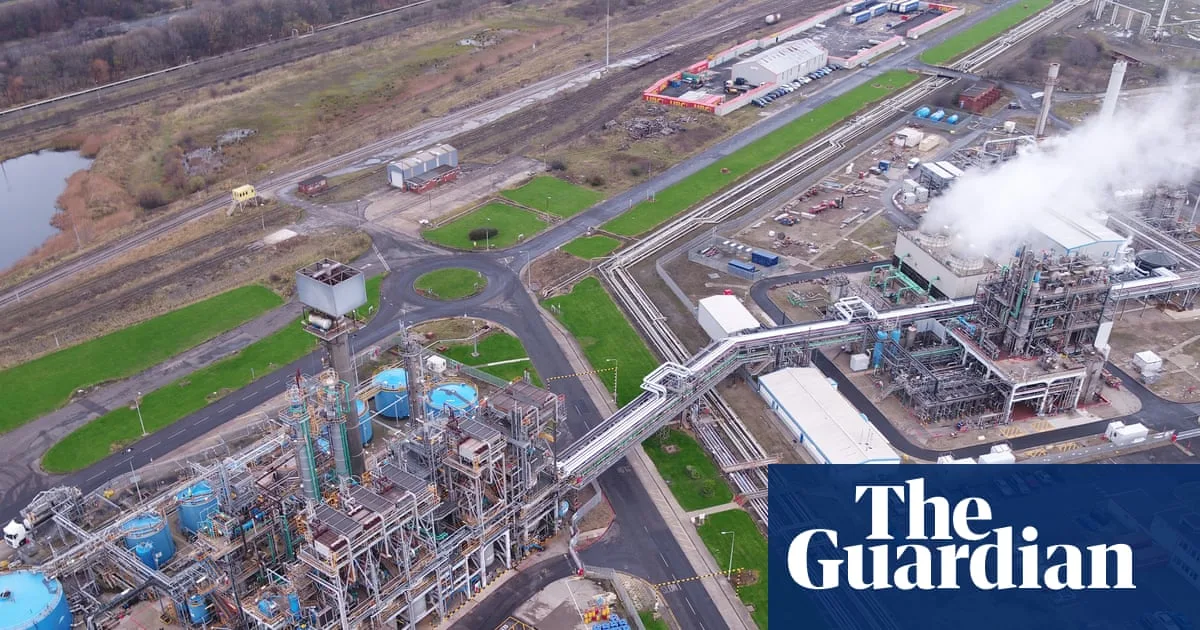
The American owner of one of Britain's last major chemical plants has issued a stark warning: if energy prices remain at their current elevated levels for the next three months, he will shut down the facility. Peter Huntsman, whose family built the global Huntsman Corporation, stated that the recent surge in gas prices, exacerbated by the conflict in Iran, represents "another nail in the coffin" for European heavy industry.

Critical Facility on Teesside

The factory in Wilton, located in north-east England's Teesside region, employs approximately 80 people and produces aniline, a crucial chemical used in a wide range of products, from car seats to aircraft components. This site is one of the few remaining plants from the former Imperial Chemical Industries (ICI), which was Britain's largest manufacturer for much of the 20th century.

Huntsman highlighted the dramatic shift in competitiveness, noting, "Four years ago, my lowest cost aniline in the entire world came from the UK. That's how recently I was competitive. Right now, this week, it is the most expensive." He added that if current economic conditions persist, he would import products from China or the United States instead.

Wide Pickt banner — collaborative shopping lists app for Telegram, phone mockup with grocery list

Global Context and Industry Struggles

Huntsman Corporation, based in Texas and founded by Peter's father Jon, operates plants across the United States, Europe, south-east Asia, and the Middle East. However, its UK and European sites are particularly vulnerable to international gas markets, where prices have soared to their highest levels since Russia's invasion of Ukraine. "You're not seeing this in China, America or the Middle East, surprisingly, where the war is," Huntsman said. "You're seeing it in the EU and the UK, and they're being hit the hardest."

Last year, the multinational cut nearly 10% of its global workforce, approximately 500 jobs, with the largest reductions in Europe, and closed seven facilities due to high energy costs. These challenges mirror warnings from other industry leaders, such as Jim Ratcliffe of Ineos, who received a £120 million government bailout to save its ethylene cracker at Grangemouth, the last of its kind in the UK.

Broader Industry Decline

The chemical sector in the UK has been rapidly declining, with production output falling by 60% since 2021, according to the Chemicals Industries Association. At least 25 site closures have occurred during this period. Ratcliffe, the UK's seventh richest person, described the situation as "unsurvivable" for chemical plants in Europe, citing rising carbon costs and weak trade defences.

Huntsman attributed the troubles to "self-inflicted" issues, criticising successive governments for failing to reduce industrial energy bills. "Failed energy policy has made UK industry less resilient. A crisis like this should not impact the chemical industry like this," he said. He expressed deep disappointment, having laid off numerous employees in the UK, calling it one of the greatest disappointments of his career.

Sovereign Capability Concerns

In the past decade, the UK has lost its last domestic producers of ammonia, essential for fertilisers, and sulphuric acid, key for explosives manufacturing. This raises significant concerns about sovereign capability in food production and defence. Huntsman questioned the rationale for further investment in Britain, stating, "I'm doing quite well in China, the United States, I've got growing operations in the Middle East. Why on earth would I put money in the UK, where there's neither growth nor a policy to incentivise people like me?"

Government Response

A government spokesperson acknowledged the challenges, saying, "We know this is a tough time for our chemicals industry, who are paying the fossil fuel penalty. The best way to tackle this is getting on to clean homegrown power which we control, to bring down bills for good." Ministers are reportedly engaging with the industry to assess the impact of the Middle East situation and explore potential solutions.

The future of the Wilton plant remains uncertain, with its fate hinging on energy price trends in the coming months, underscoring broader vulnerabilities in the UK's industrial landscape.

Pickt after-article banner — collaborative shopping lists app with family illustration